


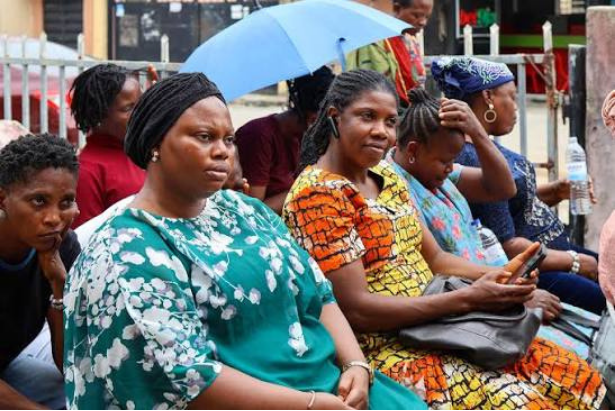
A woman experiencing violence may know she needs help. She may need medical care, legal assistance or somewhere safe to stay. But knowing where to turn does not guarantee that support will be available.
In one state, she may find a specialised centre offering medical and psychosocial care. In another, she may struggle to find a shelter, afford legal assistance or navigate the reporting process.
Nigeria has laws intended to protect women, but access to that protection depends on more than legislation. Funding, trained personnel and functioning support services determine whether those rights translate into help when women need it most.
The Violence Against Persons (Prohibition) Act, 2015, provides a legal framework for addressing violence and protecting survivors. However, its adoption and implementation have varied across states.
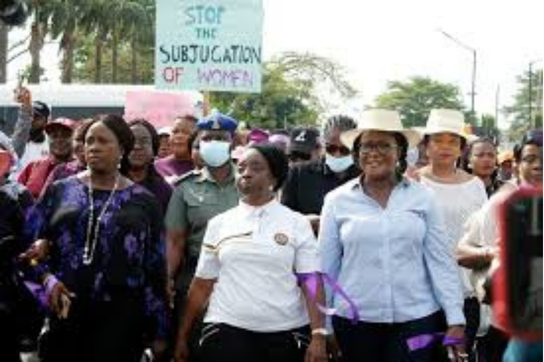
Even where protections exist, women need institutions that can receive complaints, investigate cases and provide support. Without adequate funding, trained personnel and effective enforcement, legal rights can remain difficult to exercise.
Lagos, Oyo, Kano and Kaduna: What Does Protection Look Like in Practice?
The differences become clearer when state-level data and support systems are examined.
Lagos has established institutions, including the Lagos State Domestic and Sexual Violence Agency, and Eko Haven, a shelter that opened in 2023 with a reported capacity of 30 beds. Between August 2024 and July 2025, the state recorded 8,692 domestic and sexual violence cases and reported more than 140 convictions. These figures demonstrate the scale of cases reaching authorities, while raising questions about service capacity and access to justice.
Oyo recorded intimate-partner violence among 13% of women in the relevant survey group in the 2024 Nigeria Demographic and Health Survey (NDHS). Yet a 2024 study in Ogbomoso found that healthcare professionals lacked adequate knowledge and referral resources for responding to domestic violence. A woman may therefore reach a hospital without being connected to the counselling, legal assistance or safe accommodation she needs.
Kano recorded intimate-partner violence among 24% of women in the relevant NDHS survey group. A January 2026 report by the European Union Agency for Asylum stated that Kano had not enacted the VAPP Act. This highlights the importance of examining state-level legislation alongside the practical barriers women face, including financial dependence and limited access to assistance.
Kaduna has institutional measures supporting its response to gender-based violence, including coordination through its Ministry of Human Services and Social Development and budget allocations for shelters and survivor services in its 2023 budget. It was also listed by Stand to End Rape Initiative (STER) among states providing legal-service support to survivors. Yet the NDHS recorded intimate-partner violence among 23% of women in the relevant survey group. The question is whether these institutional commitments translate into accessible, effective support.
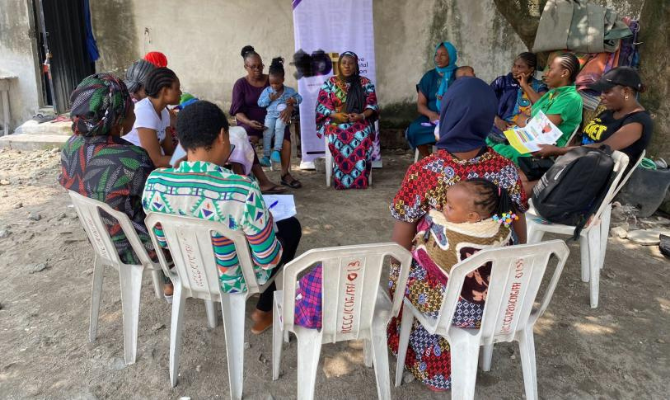
The wider picture reveals further gaps. STER’s state-level scorecard found that 78% of state Ministries of Justice, 74% of Ministries of Health and 34% of Ministries of Women Affairs lacked dedicated budgets for gender-based violence prevention and response. Only 15 states provided some form of financial support to survivors, while half had an active court handling sexual and gender-based violence cases.
In the Federal Capital Territory, a January 2026 country report recorded more than 3,000 cases of violence against women documented by NAPTIP in 2025. These are recorded cases, not a measure of the total prevalence of violence.
Sexual Assault Referral Centres (SARCs) can connect survivors with medical care, psychosocial support and referrals to other services. As of October 2024, a report counted 47 SARCs across 22 states.
The figures reveal that protection is not simply about whether violence occurs, but whether women can access help when it does. Lagos’s high number of recorded cases and convictions points to an active response system, while Oyo’s healthcare gaps show how survivors can reach institutions without receiving the support they need.
Kano’s legislative gap raises questions about the legal protections available, while Kaduna’s policies and budget allocations highlight the need to measure implementation, not just commitments. Meanwhile, the national funding gaps suggest that access to shelters, healthcare and justice remains uneven.
These statistics show how a woman’s chances of receiving protection can depend on the laws, resources and services available where she lives.
Who is responsible for closing the gap?
State governments must implement relevant laws, fund support services and ensure that institutions can respond effectively. Police and other agencies need accessible reporting channels, while healthcare providers require training and clear referral procedures. Legal aid services must help women navigate the justice system. These institutions must work together so survivors are not left to navigate disconnected services or repeatedly recount their experiences without receiving the help they need.
Community organisations, traditional leaders and religious institutions can help challenge stigma and connect women with support. However, they cannot replace the responsibility of government to provide effective protection.
Governments must also publish reliable data on service availability, funding, case handling and outcomes. Without transparency, it becomes difficult to identify gaps or hold institutions accountable.
What needs to change?
Closing the gap between legal rights and women’s experiences requires action in five areas:
- Implementation: Ensure existing protections are enforced and discriminatory practices are addressed.
- Funding: Provide sustained resources for shelters, SARCs, healthcare, psychosocial support and legal aid.
- Accessibility: Make reporting channels and support services easier to reach, including for women in rural communities.
- Coordination: Establish clear referral pathways between police, healthcare providers, social welfare agencies and legal services.
- Accountability: Publish state-level data and measure whether women receive timely, effective protection.
A service based in a major city may still be out of reach for a woman living hours away. Transport costs, disability and financial dependence can create additional barriers. Improving protection therefore requires attention not only to whether services exist, but also to who can access them.
Nigeria’s states do not need identical systems, but women everywhere need a realistic path to safety, support and justice.
