


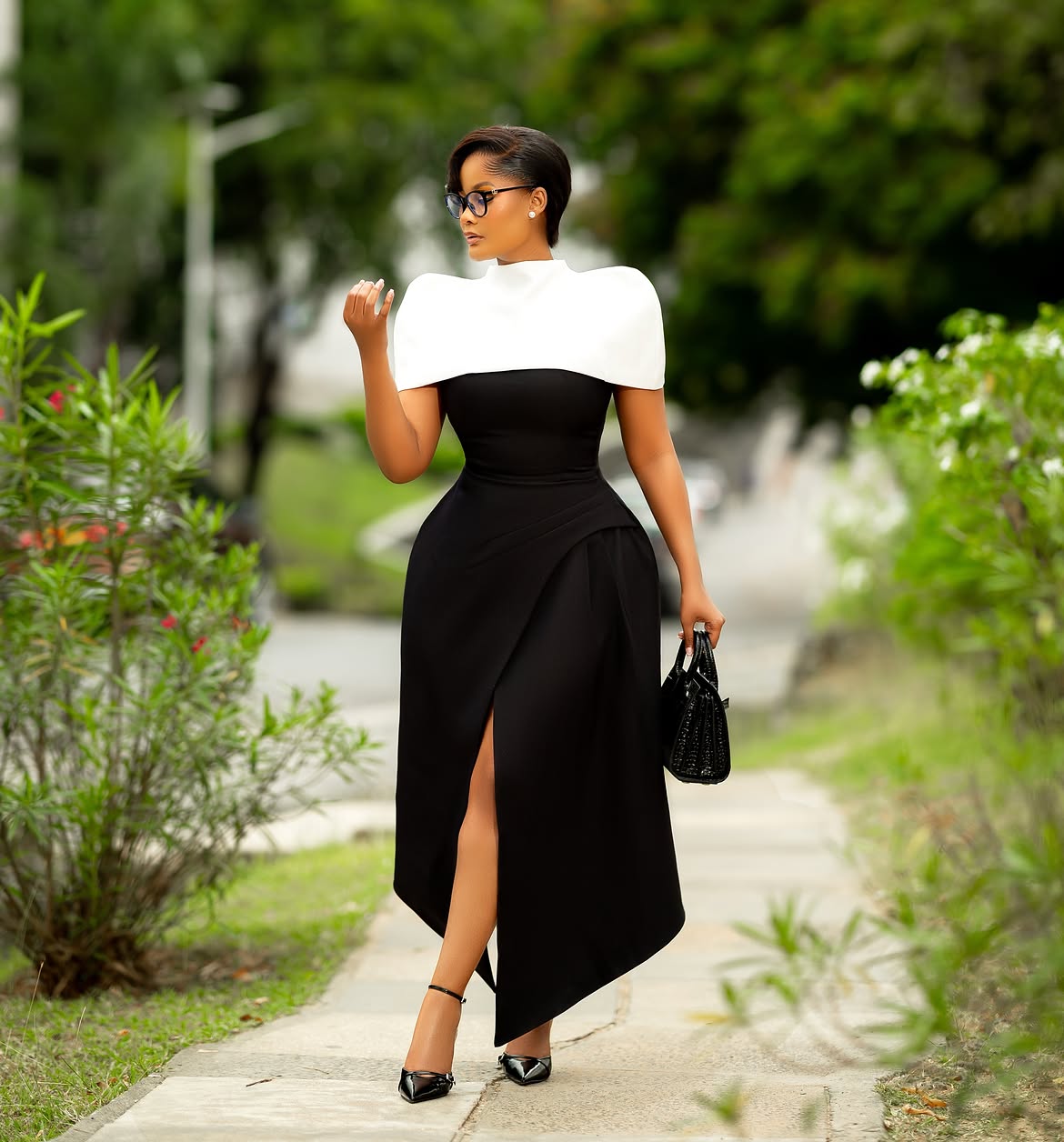
Tanzanian entrepreneur and public figure Hamisa Mobetto is using her experience with cyberbullying and online attacks to help young women and girls navigate digital spaces with greater confidence, critical thinking and safety.
Mobetto has joined UNESCO in a campaign promoting safer and more inclusive digital spaces, particularly for young women and girls. The partnership and masterclass event culminated on September 8, 2026, following her official appointment as a global champion in late August 2026.
The main operations and initial national advocacy efforts are based in Tanzania.
The initiative forms part of broader efforts by the United Nations in Tanzania to strengthen media and information literacy, responsible digital participation and protection from online and technology-facilitated violence.
For Mobetto, the issue is personal.
“I have myself experienced the dark side of social media. I know how words, rumours and online attacks can affect a woman,” she said.
Rather than allowing those experiences to define her relationship with social media, Mobetto is using them to advocate for women who may be experiencing similar attacks particularly girls who are still finding the confidence to speak publicly online.
“I do not want to speak only for myself,” she said. “I want to speak for the girl who has not yet found the courage to use her voice.”
Social media has become an important space for women to learn, build businesses, create communities and establish their voices. But greater visibility can also expose women and girls to harassment, misinformation, humiliation and other forms of technology-facilitated violence.
UNESCO’s approach is therefore not about encouraging young people to withdraw from digital spaces. Instead, it focuses on giving them the skills to participate more safely and confidently.
At the centre of the campaign is a simple principle: Pause. Think. Share.
The idea encourages young people to pause before reacting to online content, think critically about whether information is reliable and consider the consequences before sharing it.
For young women, these skills can be particularly important in an online environment where rumours and harmful content can spread quickly and discourage women from participating in public conversations.
Mobetto’s involvement also highlights the potential for public figures to use their platforms beyond entertainment and personal branding. The initiative connects her influence with UNESCO’s expertise in media and information literacy and the UN’s wider youth engagement efforts in Tanzania.
Being online safely does not mean shrinking your voice.
For women and girls, digital spaces can be places to learn, build businesses, find communities, share ideas and create opportunities. But harassment, misinformation and online intimidation can also make women hesitant to speak, participate or take up space publicly.
The ability to recognise harmful or unreliable information, think before responding and understand how online content can affect others is therefore becoming an important part of digital confidence.
Mobetto’s role is significant because it frames online safety not simply as a question of avoiding the internet, but of knowing how to navigate it without surrendering your voice.
And for Mobetto, that may be the most important part of her new role using a voice she has already found to help another generation find theirs.
