


Young creatives and digital professionals are facing rising operating costs as unreliable electricity supply continues to disrupt their work, with the Federal Government targeting 2027 to phase out electricity subsidies.
Young creatives and digital professionals are raising concerns over Nigeria’s worsening electricity costs and unreliable power supply as the Federal Government moves to phase out electricity subsidies from 2027.
For workers whose livelihoods depend on computers, cameras, editing systems, lighting and internet connectivity, power outages can mean more than an interruption to routine. They can delay projects, limit working hours and force businesses to spend more on alternative sources of electricity.
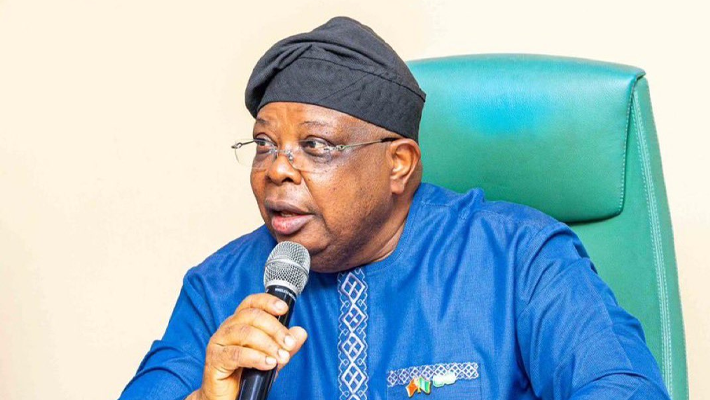
The concerns come as Minister of Power, Joseph Tegbe, says the Federal Government plans to phase out electricity subsidies from 2027 as part of efforts to address accumulated liabilities in the power sector and move the market towards greater financial sustainability.
Tegbe disclosed this on Wednesday, September 16, while speaking at the commissioning of a 3-megawatt solar hybrid power project at Yakubu Gowon University, Abuja.
He said the government had a mandate from President Bola Tinubu to clear legacy debts and establish structures that would prevent new liabilities from accumulating.
“We have the mandate of Mr President to clear the legacy debt and come up with sustainable structures to make sure this doesn’t pile up any more,” Tegbe said.
The minister said the subsidy would be stopped from next year, while assuring consumers that the reform would be accompanied by efforts to improve electricity services.
For young creatives, however, the question is not only what electricity will cost after the subsidy is removed, but also whether supply will become reliable enough to justify the cost of staying connected to the grid.
A Nigerian makeup artist and TikTok creator recently highlighted the challenge in a video shared online, questioning how young professionals are expected to work consistently when electricity and internet access remain unreliable.
For remote workers, an outage can mean losing access to computers and other equipment, missing deadlines or being unable to remain available to clients. For content creators and production-based businesses, disruptions can also affect shooting, editing and publishing schedules.
The issue cuts across the entire creative spectrum. Ace music producer Osabuohien “Sarz” Osaretin recently decried how the country’s infrastructural failures systematically destroy artistic productivity. Speaking on the Afropolitan podcast, Sarz revealed that despite being born and raised in Nigeria, he has never experienced a full 24 hours of uninterrupted electricity.
“There are times when I wake up feeling inspired and I want to create music, but there is no light,” Sarz said. “Sometimes, even when you want to buy fuel, they will tell you that there is a strike or scarcity. And then you end up doing nothing and the potential is just wasted. As a creative person, you need to be mentally charged to perform at your best, so when the infrastructure is lacking at the moment you are mentally charged, it is a challenge.”
The problem extends beyond content creation. Video editors, photographers, graphic designers, animators, music producers and other digital workers often have to switch between the national grid and alternative power sources to keep their businesses running.
Generators remain one of the most common options, but fuel and maintenance add to operating costs. Inverters and solar systems can reduce dependence on petrol and diesel, but the initial investment can be difficult for young professionals and small businesses to absorb.
The pressure comes at a time when many creative businesses are already operating with fluctuating incomes and rising costs for equipment, internet access, software subscriptions and other services.
Nigeria’s electricity challenges are longstanding. The sector continues to contend with accumulated debts, ageing infrastructure and gas supply constraints, all of which have contributed to persistent reliability problems.
Tegbe has also acknowledged that some of the country’s power infrastructure is more than 40 years old and said the government is working to replace ageing facilities.
The Federal Government has, meanwhile, sought to distinguish the planned subsidy reform from an immediate increase in electricity tariffs. Tegbe said in July that there was no immediate plan to raise tariffs, while the government has said its focus is improving service delivery, expanding access and protecting vulnerable consumers.
But for young creatives, the impact of the power crisis is ultimately measured in practical terms: hours lost, projects delayed and money spent keeping equipment running.
As the government prepares to phase out electricity subsidies in 2027, the experience of these workers points to a central challenge of the reform. For Nigeria’s growing creative and digital economy, the cost of electricity is inseparable from the ability to work.
The sustainability of these businesses will depend not only on how the power market is financed, but also on whether the electricity it delivers is reliable enough for people to build their livelihoods around it.
