

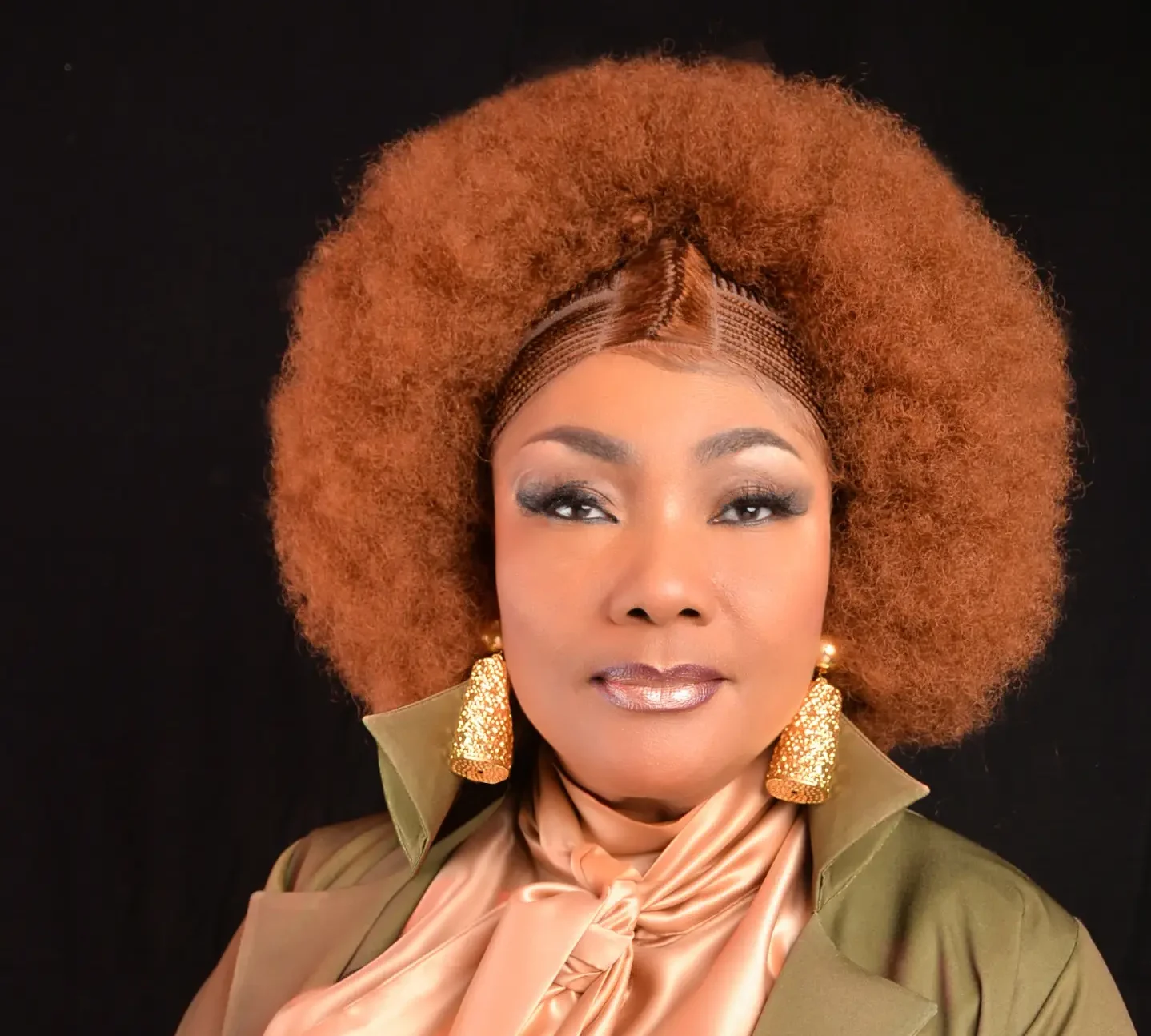
Rachael Okonkwo and Eucharia Anunobi have spent years building public identities through Nollywood. Now, both actresses are taking on roles within the Enugu State Government, moving from careers in front of the camera into different areas of public service.
Okonkwo, popularly known as Nkoli Nwa Nsukka, has been appointed Senior Special Assistant on Film and Creative Industry Development, while veteran actress Eucharia Anunobi will serve as Special Assistant on Women Mobilisation for Enugu-North Zone.
The appointments were announced on September 21 as part of Governor Peter Mbah’s appointment of 101 aides across three categories. According to the state government’s announcement, the appointments took effect immediately.
For Okonkwo, the move into government is closely connected to the industry that made her a familiar name to Nigerian audiences. Born Nnenna Rachael Okonkwo and from Uzo-Uwani Local Government Area of Enugu State, she built her career in Nollywood and became particularly known for the Nkoli Nwa Nsukka film series. Her journey into acting, however, was not an overnight rise. Before establishing herself as an actress, Okonkwo has spoken about taking on smaller roles and entering the entertainment industry through dance.
That history makes her new portfolio particularly interesting. She is moving from being a practitioner within the creative industry to a government position concerned with its development. It is also not the first time Okonkwo has used her public profile outside film.
For years, she has organised the Nkoli Nwa Nsukka Children’s Easter Carnival, an initiative she described as her way of giving back to the community that supported her career. The event has included gifts and educational materials for children, and during the COVID-19 pandemic, she adapted it to reach children and other groups in their homes rather than bringing large crowds together.
That experience gives another layer to her new appointment. Okonkwo already has a history of connecting her celebrity platform with community activity. Her government role now places her inside a formal administrative structure focused on an industry she knows from the other side.
The distinction matters because developing a creative industry involves more than producing films or promoting individual actors. It can touch the infrastructure around production, opportunities for emerging talent, skills development and the ability of creative workers to build sustainable careers.
The government announcement, however, does not yet specify the programmes, targets or initiatives Okonkwo will oversee. For now, what is clear is the portfolio she has been given and its connection to the industry in which she has spent years working.
Anunobi’s transition is different.
The actress became prominent during the formative years of commercial Nollywood, particularly through films such as Glamour Girls, and has gone on to appear in more than 90 films. But acting has not remained the only public role she occupies.
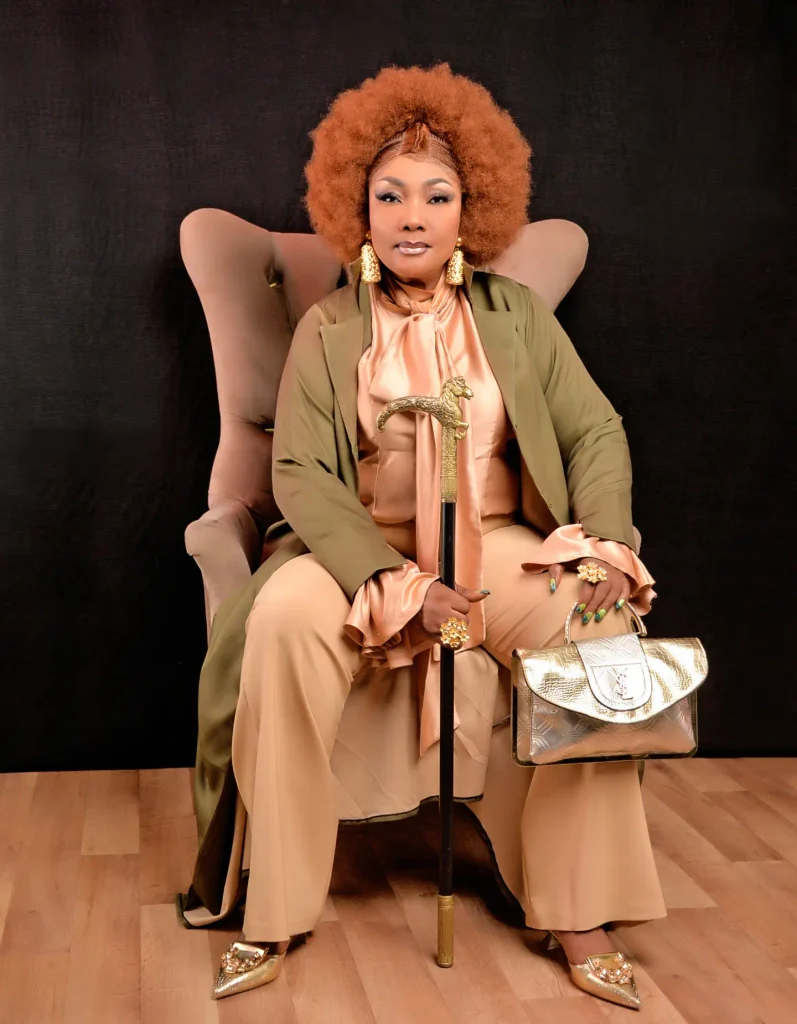
Over the years, Anunobi has increasingly been associated with Christian ministry, public speaking and pastoral work. She has also pursued further education in that field, including a postgraduate diploma in pastoral leadership and a PhD in Christian Education and Ministerial Art, according to a 2021 profile in Vanguard Allure. Her appointment as Special Assistant on Women Mobilisation for Enugu-North therefore adds another dimension to a career that has already moved beyond the boundaries of entertainment.
Unlike Okonkwo, whose new portfolio remains directly tied to film and the creative sector, Anunobi’s role is centred on women and community mobilisation. The difference between the two appointments is what makes their transition into government more interesting than a simple story about celebrities receiving political appointments.
Okonkwo is moving deeper into the industry she knows firsthand. Anunobi is taking a public-facing role that draws on a career that has gradually expanded from acting into ministry and other forms of public engagement. Both women, in different ways, have already spent years building relationships with audiences beyond the screen.
Their new positions now give both women formal government platforms through which that public-facing experience can be applied.
The appointments are part of a wider group of 101 aides announced by the state government, comprising seven Special Advisers, six Senior Special Assistants and 88 Special Assistants. The responsibilities assigned across the group include areas such as community development, youth engagement, women mobilisation, public communication, infrastructure monitoring, rural development, technology and innovation.
For Okonkwo and Anunobi, the titles are only the beginning. After years of being recognised for the characters they played on screen, both women are now taking on roles where their work will be judged less by the audiences watching them and more by what they are able to do with the responsibilities attached to their new positions.
The appointments also come at a time when INEC has raised concerns about the low representation of women in Nigeria’s political leadership. The electoral body recently noted that women won only six of 168 elective positions contested in re-run and bye-elections since 2015.
While Okonkwo and Anunobi’s appointments are not elective positions, their inclusion in government adds two more women to formal public roles.
