


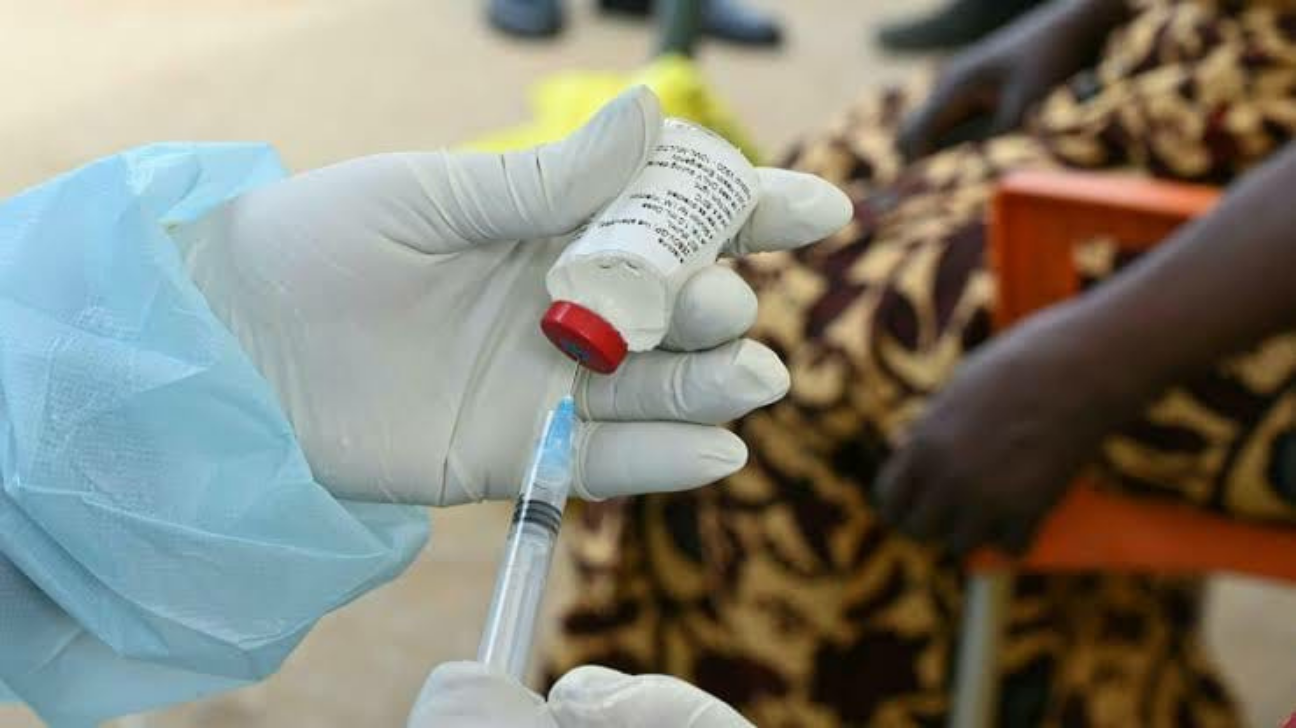
Nigeria has confirmed an Ebola case in Abuja after laboratory tests detected the virus in a female patient who reportedly travelled from Uganda, Health Minister Muhammad Ali Pate announced on Tuesday, October 20.
Pate told the Nigerian Television Authority (NTA) that the patient was in isolation and receiving medical care. He added that contact tracing was underway, with 44 contacts already identified.
The minister also disclosed that the patient had spent several days receiving treatment at a private hospital in Abuja before the diagnosis was confirmed.
Health authorities are continuing efforts to identify people who may have been exposed to the virus and assess the potential risk of further transmission.
In a statement, Pate expressed confidence in Nigeria’s ability to respond to the case, citing the country’s successful containment of Ebola in 2014 and its existing public health systems.
The confirmation comes amid a wider Ebola outbreak in parts of Africa. The Democratic Republic of Congo has experienced a major outbreak involving the Bundibugyo strain, while Kenya has also reported cases linked to travel from Congo.
Uganda had previously reported Ebola cases in May and June 2026, largely linked to infections imported from Congo. The World Health Organization declared Uganda’s outbreak over in August.
However, Ugandan government spokesperson Alan Kasujja disputed the suggestion that Ebola was present in Uganda, telling Reuters: “There’s no Ebola in Uganda.”
Africa Centres for Disease Control and Prevention head Jean Kaseya said the agency had begun mobilising support for Nigeria following the reported case.
Contact tracing is a key public health measure used to identify people who may have been exposed to an infectious disease. The identification of 44 contacts does not mean those individuals have contracted Ebola; it allows health authorities to assess possible exposure and determine what monitoring or follow-up may be necessary.
Ebola is a serious viral disease that can cause severe illness. Early detection, appropriate medical care, isolation and contact tracing are important measures in controlling outbreaks.
As investigations continue, Nigerians are encouraged to follow official updates from the Nigeria Centre for Disease Control and Prevention (NCDC) and the Federal Ministry of Health and Social Welfare.
The situation remains developing, and further information may emerge as health authorities investigate the circumstances surrounding the case.
