



Five Nigerian women have each won $10,000 through the Standard Chartered Foundation’s Women in Tech Accelerator. But beyond the funding, their businesses offer a glimpse into how women entrepreneurs are using technology to solve some very ordinary, very Nigerian problems.
From accessing medication without having to visit a pharmacy to helping small businesses find trustworthy suppliers, the five founders are building solutions around healthcare, accessibility, trade, education and the often-chaotic business of event planning.
The women emerged as winners of the seventh cycle of the Women in Tech Accelerator in Nigeria, delivered by Village Capital in partnership with the Enterprise Development Centre (EDC), Pan-Atlantic University. The programme brought together 11 ventures, with five finalists pitching their business growth plans before a panel of judges. Each winner received $10,000 in funding to help scale their existing business.
So, what exactly are they building?
Jennifer Esiaba: Making pharmacy access easier
For many Nigerians, getting medication can mean travelling to a pharmacy, waiting to speak with a pharmacist or struggling to access reliable care outside major urban centres.
Jennifer Esiaba is approaching that problem through Mariam Grey Pharmacy, an AI-powered telepharmacy providing access to medication, pharmacist consultations and chronic care support remotely.
The platform is designed to work through smartphones, basic phones and USSD, meaning users do not necessarily need a smartphone or constant internet access to use the service. The idea is straightforward: healthcare support should be easier to reach, particularly for people who may face barriers getting to a physical pharmacy.

Christine Imoukhuede: Taking some of the chaos out of event planning
Event planning can involve dozens of clients, vendors, payments, schedules, conversations and last-minute changes. For planners, keeping track of everything can become a business problem of its own.
Christine Imoukhuede is tackling that through Ahavaplan, an AI-powered customer relationship management platform designed specifically for event planners.
The platform brings client management, event organisation, communication and other business operations into one place. Instead of juggling information across different conversations and tools, event planners can use one platform to manage more of the work behind their businesses.

Toyosi Badejo-Okusanya: Building a more accessible digital world
Technology has made many services easier to access, but digital spaces are not always designed with people with disabilities in mind.
Toyosi Badejo-Okusanya is working on that gap through Adaptive Atelier.
The accessibility technology company helps businesses create more inclusive digital experiences through AI-powered solutions and accessibility auditing. It also operates a marketplace connecting businesses with disabled professionals. The company is putting accessibility into the process of how digital products and experiences are designed, rather than treating it as something to consider later.

Fara Popoola: Making African trade easier to trust
For small businesses, finding reliable suppliers can be one of the biggest risks of doing business.
A supplier may look legitimate but fail to deliver the expected quality. Payments can become complicated, and verifying who is on the other side of a transaction can be difficult.
Fara Popoola’s Proc360 is building a solution around that problem.
The platform helps African SMEs trade with greater confidence through supplier verification, quality control and secure payments. For businesses trying to grow, reducing some of the uncertainty around suppliers and transactions can mean fewer costly mistakes and more confidence when making deals.

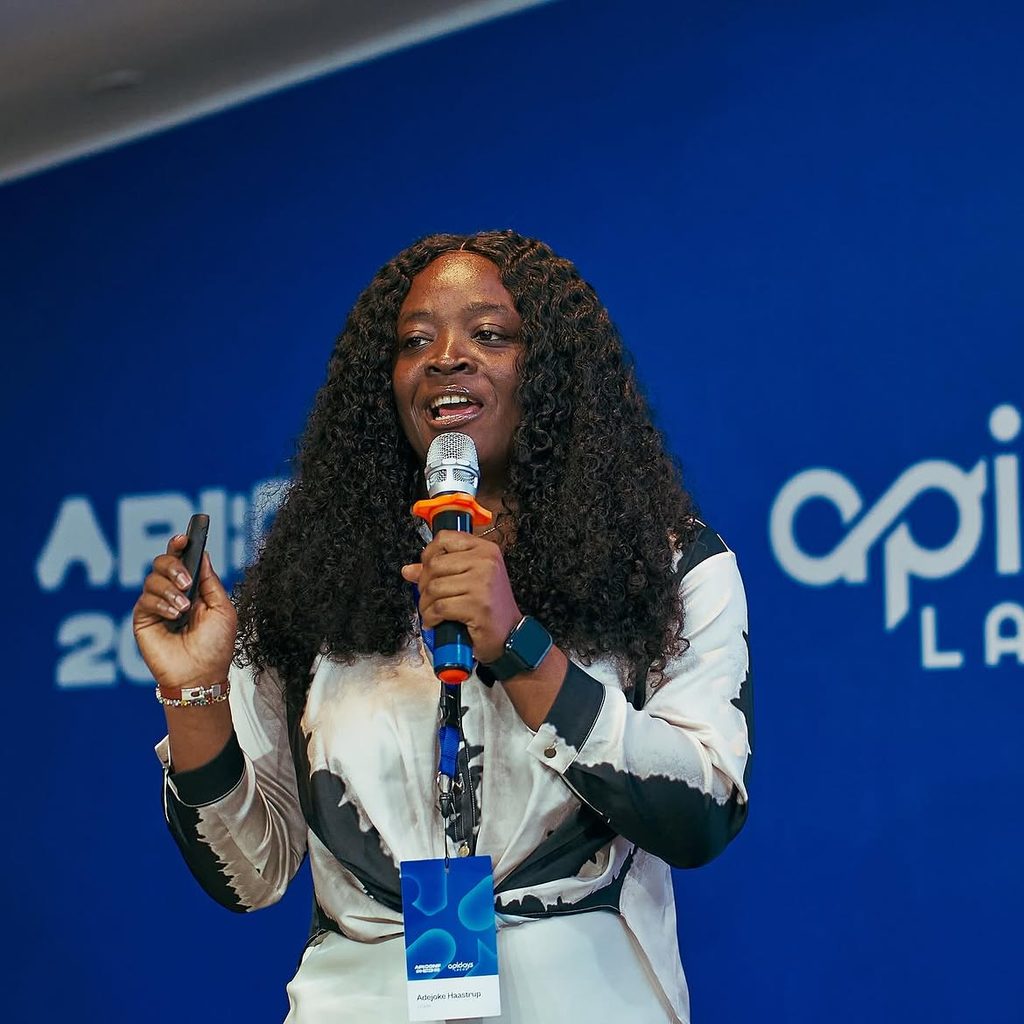
Adejoke Haastrup: Helping children build with technology
As digital skills become increasingly important to education and employment, Adejoke Haastrup is getting children started early through Kidsthatcode.
The edtech platform equips children and teenagers across Africa with coding and digital skills through classes, mentorship, hackathons and project-based learning.
The focus is not simply on teaching children how to use technology. It is about helping them become creators who can build with it.
The money is helping them build further
The $50,000 in combined funding gives the five founders additional capital to grow businesses that are already underway. But the accelerator offers more than funding. Participants receive investment-readiness training, personalised development plans, expert mentorship and opportunities to build connections with industry leaders and other entrepreneurs.
Joke Adu, Head of Corporate Affairs, Brand and Marketing at Standard Chartered Nigeria, said the programme reflects the potential that exists when women founders have access to the “right skills, networks, mentorship, and capital.”
The five founders will also join the programme’s global alumni community, connecting them with other women entrepreneurs beyond the accelerator.
For these women, the $10,000 is therefore not simply a prize for an idea. The funding gives them more room to make those businesses bigger, reach more people and turn solutions to everyday problems into businesses with wider impact.
