

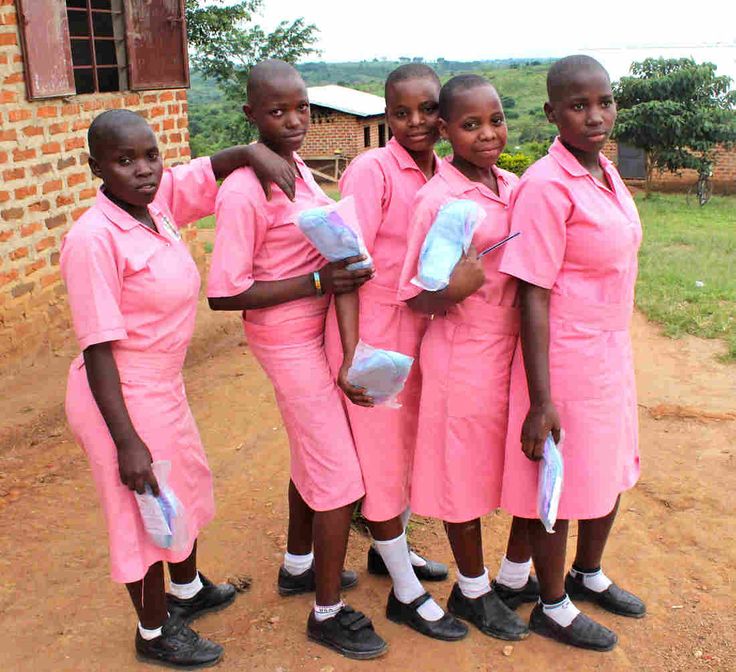
For millions of Nigerian women and girls, getting their period each month also means figuring out how to pay for it. An estimated 37 million women and girls in Nigeria are affected by period poverty, according to figures cited by the Minister of Women Affairs, with many struggling to afford sanitary products, find clean and private spaces to manage their periods, or access accurate information about menstruation. In a country where roughly 40 percent of the population lives on less than a dollar a day, a pack of sanitary pads that can cost up to that same amount can be an impossible expense for households already choosing between basic necessities.
The numbers vary across studies, but they point to the same problem. A 2018 NOI Polls survey found that 67 percent of Nigerian women did not have access to sanitary products, while more recent WHO and UNICEF data found that 37 percent rely on unhygienic methods such as reusable cloth and paper, leaving only 67 percent using hygienic alternatives. The Centre for Health Ethics, Law and Development offers another measure of the gap, estimating that of Nigeria’s roughly 119 million women and girls, more than 52 million menstruate each month, yet only about 70 percent have access to menstrual hygiene products. Taken together, these figures show that millions of women are still having to manage their periods with whatever they can find, rather than with products that are safe and appropriate.
That lack of access has consequences that extend well beyond the few days of a menstrual cycle. Poor menstrual hygiene management increases the risk of reproductive and urinary tract infections, which can contribute to infertility and complications during pregnancy. For girls, the impact is also felt in the classroom. An estimated 24 percent of Nigerian girls miss school during their periods because they cannot afford hygienic products. Missing classes repeatedly over the course of a school year can create significant learning gaps and, in some cases, contribute to girls eventually dropping out of school.
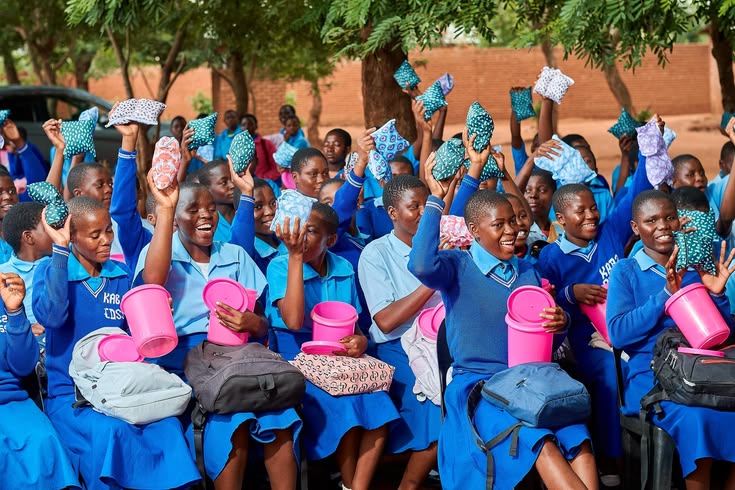
Access is even more uneven in communities already facing poverty, displacement and limited infrastructure. Research in Kaduna State found that only 37 percent of women aged 15 to 49 had everything needed for proper menstrual hygiene management, including clean materials, a private facility, pain relief and somewhere to dispose of used products. Northern Nigeria faces particularly severe challenges, while the stigma around openly discussing menstruation can make the scale of the problem harder to measure. In displacement camps and conflict-affected areas such as Borno State, the situation is even more difficult, as women and girls may lack not only sanitary products but also the privacy and basic facilities needed to manage their periods safely.
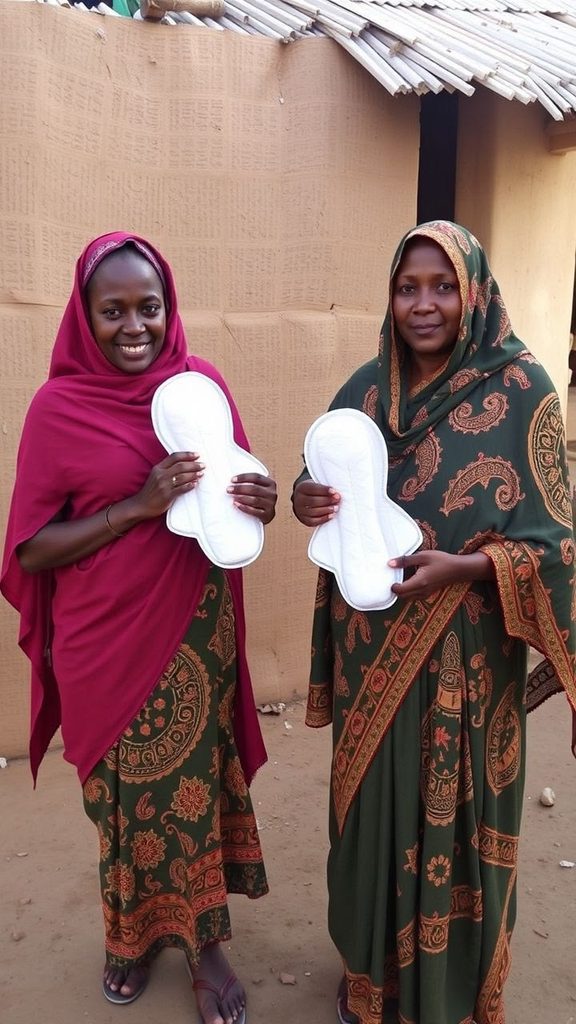
Yet despite the scale of the problem and the number of areas it touches, Nigeria still has no comprehensive national menstrual health policy. Much of the response remains fragmented and driven by NGOs, activists and small organisations working independently to fill the gaps. In Kano, activist Maryam Muhammad began making reusable pads after seeing the need firsthand. In Abuja’s Wuse Market, activist Hajara Husseini has raised money for sanitary products by standing in the market with a placard that reads, “NEED MONEY FOR PAD.” In northern Nigeria, the Five Cowries’ Hubs have partnered with Nigeria Health Watch on art-based menstrual health education, using creative approaches to tackle the stigma that often keeps conversations about menstruation out of the open.
These efforts matter, but they also highlight how much of the responsibility has fallen on individuals and small organisations. The United Nations has linked period poverty to six Sustainable Development Goals covering poverty, health, education, gender equality, water and sanitation, and inequality. That connection makes clear that menstrual health is not a standalone women’s issue. It affects whether girls stay in school, whether women can work, whether families can afford basic hygiene and whether people have access to safe sanitation. Until Nigeria develops a coordinated national response, millions of women and girls will continue to navigate a basic biological need through a patchwork of personal sacrifice and community intervention, one reusable pad, one classroom and one market stall at a time.
