


Black hair braiding is often treated primarily as a beauty ritual, but for the professionals who provide the service, it is also physically demanding work. Hours of repetitive movements involving the hands, wrists, shoulders and back can make lengthy braiding appointments exhausting for stylists.
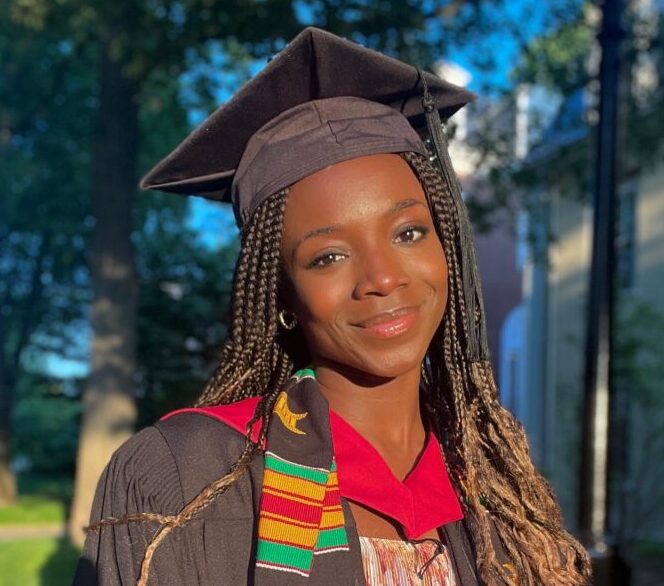
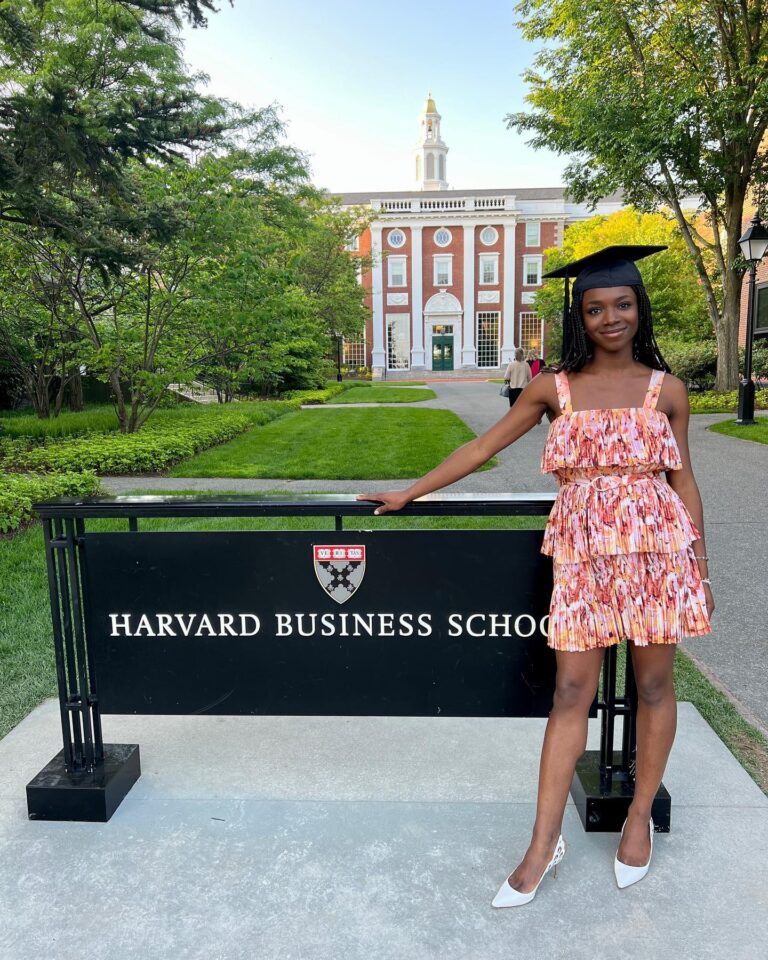
Nigerian-American engineer and Harvard alumna Yinka Ogunbiyi saw an opportunity to approach that labour differently: as an engineering problem.
The idea for HaloBraid began during the COVID-19 lockdown, when Ogunbiyi spent four days installing her own knotless braids.
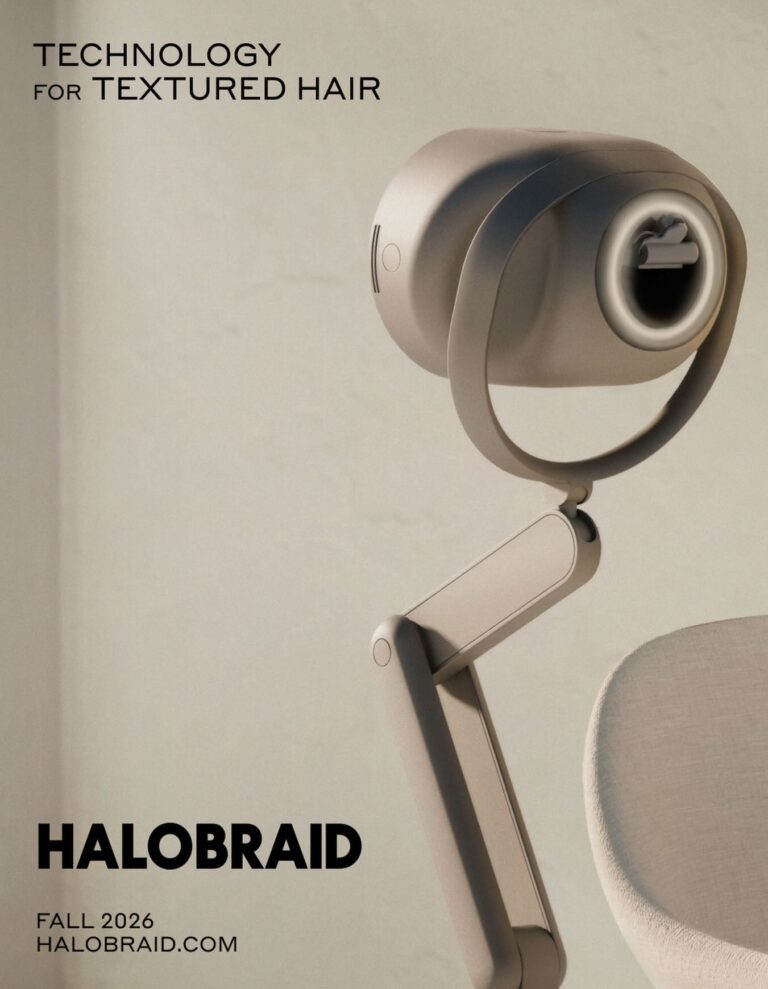
What started as a frustrating personal experience became the starting point for a technology venture. Together with co-founder David Afolabi, she developed HaloBraid, an automated braid-assist device designed to handle the repetitive middle section of the braiding process while keeping the stylist in control.
HaloBraid won the $75,000 grand prize in the Alumni & Affiliates Open track of the 2025 Harvard President’s Innovation Challenge, a competition designed to support high-impact ventures emerging from Harvard’s global network.
The technology is designed around a simple distinction: the repetitive part of braiding can be automated without automating the expertise of the person doing the hair.
With HaloBraid, the stylist remains responsible for parting the scalp, sectioning the hair and creating the initial anchor braid. The device then assists with the repetitive down-shaft braiding movements before the stylist takes over again to complete, trim and seal the style. That makes HaloBraid a collaborative technology rather than an attempt to remove the hairstylist from the process.
HaloBraid sits at the intersection of technology, beauty, entrepreneurship and the growing market around Black hair. The company says the device can significantly reduce braiding time, while its research points to strong consumer demand for faster protective styling appointments.
The startup has reportedly raised $7 million in seed funding, with investment from Seven Seven Six, AlleyCorp and Bling Capital. More than 7,000 professional salons are also reported to be on its waiting list ahead of the company’s commercial rollout in autumn 2026.
Celebrity hairstylist Vernon François has also joined Halo as Creative Engineer, bringing professional expertise in textured hair and hairstyling into the development of the technology.
HaloBraid’s Harvard recognition may have put the innovation in the spotlight, but its bigger significance lies in the problem it chose to solve: not the hair itself, but the labour behind it.
