


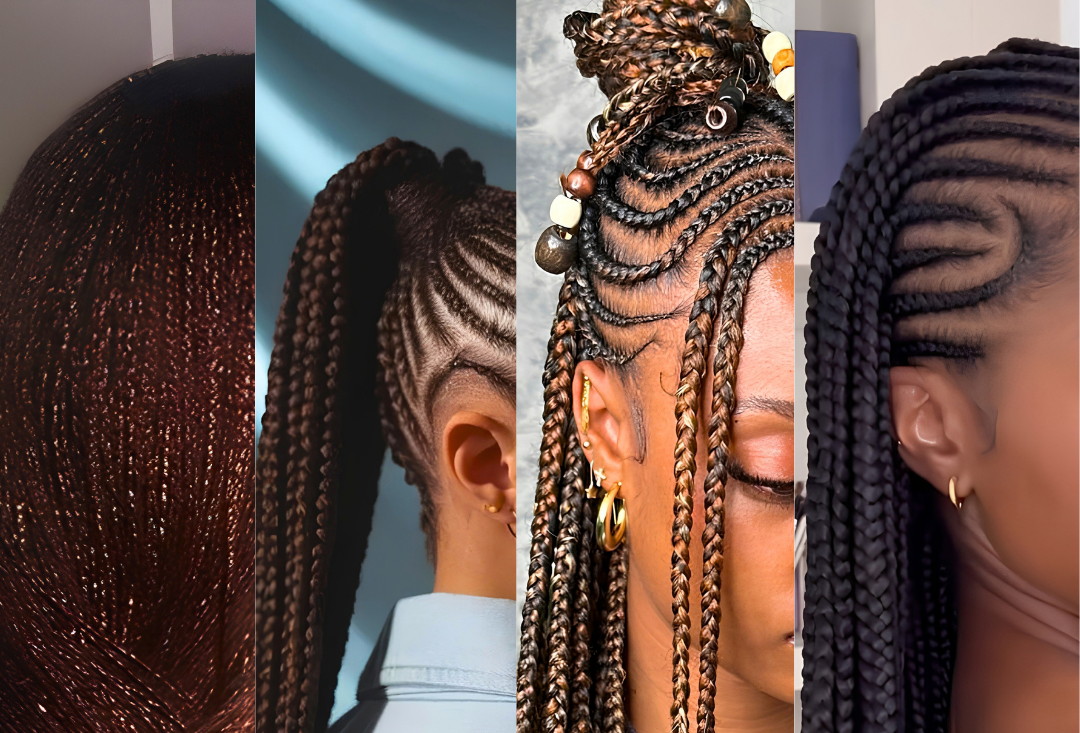
Ask for “police cap” in a Lagos salon and you will be understood instantly, but search for it online and you will be told it is called lemonade braids. Many Nigerian hairstyles have picked up fancier, international names in recent years, and the old ones are slowly slipping out of use. Here is a guide to both sets of names, and what we gain and lose when a hairstyle gets a new label:
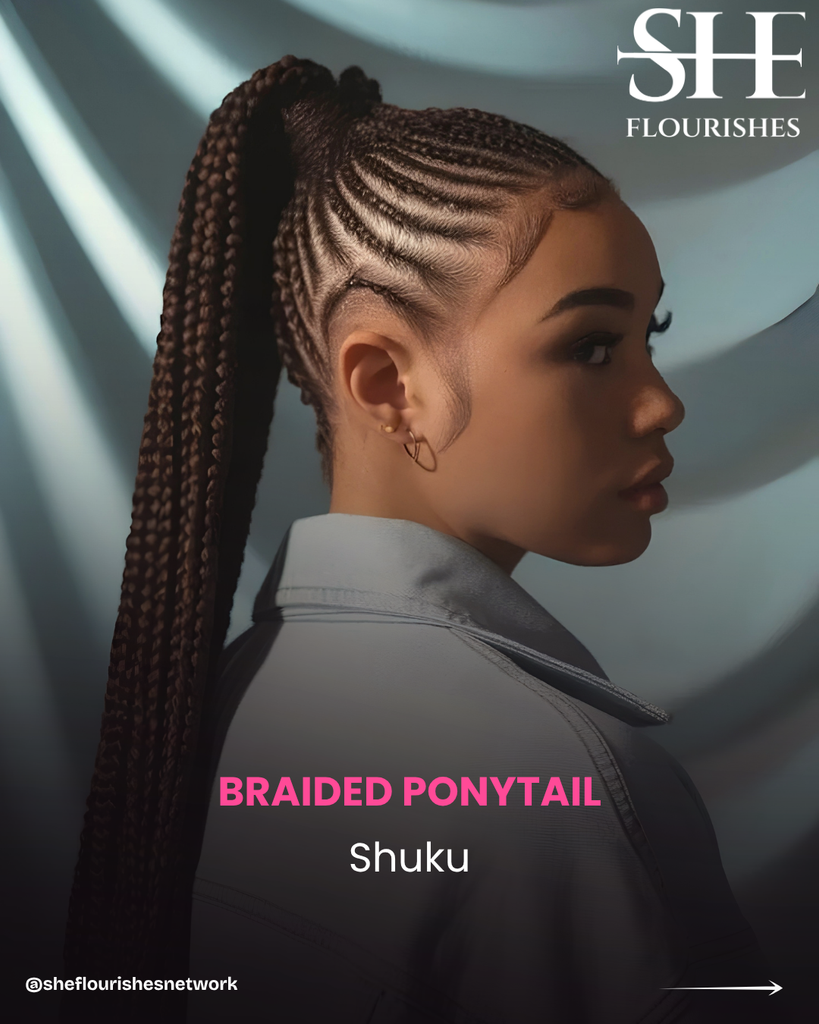
1. Shuku, now the braided ponytail.
Shuku is a Yoruba style in which the hair is braided upward from the front and sides into a raised hump at the crown, and its name is often translated as “basket” because of that shape. It was once reserved for queens, princesses, the wives of rulers and brides, so it was a style that marked a woman’s status. Today most people call it a braided ponytail, and although the way it is made has barely changed, the Yoruba name and its royal meaning are now used much less.
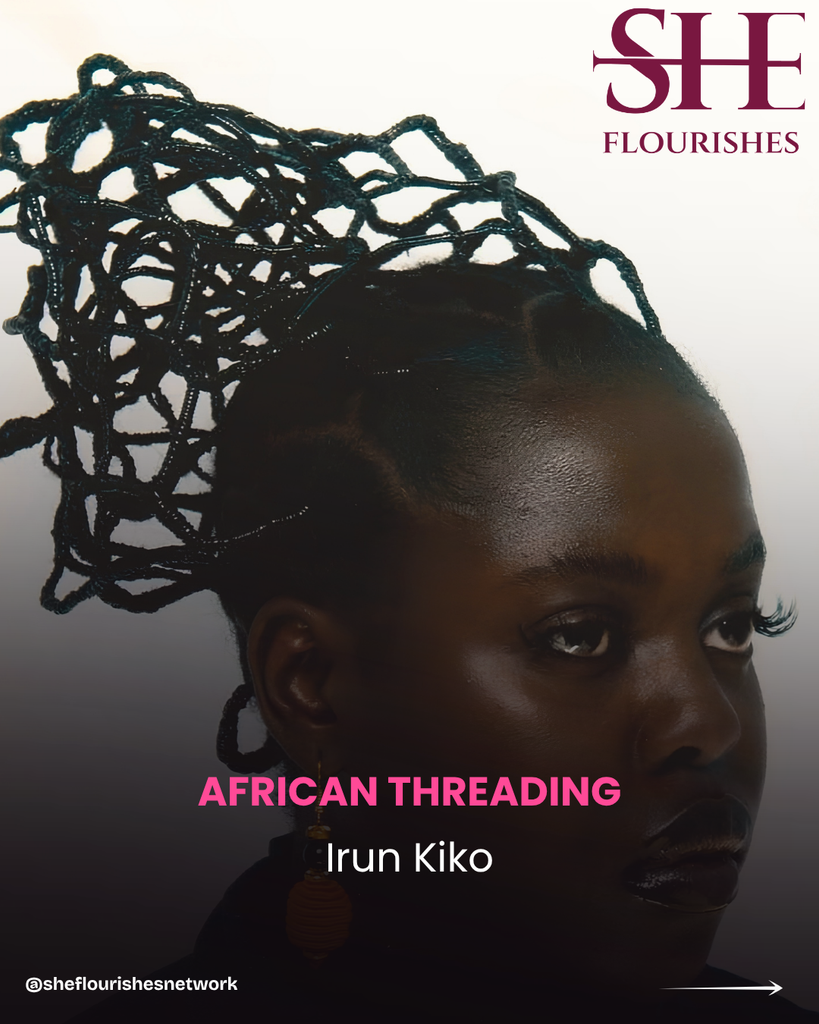
2. Irun Kiko, now African threading.
Irun Kiko is the Yoruba art of wrapping sections of hair tightly with thread, which was traditionally rubber or wool and is more commonly yarn today. Each wrapped section stands out from the head and can be shaped into patterns, and the wrapping also stretches the hair without heat. It is now usually called African threading or threaded styles, and the method is the same, but the new name does not tell you that the style comes from the Yoruba culture.
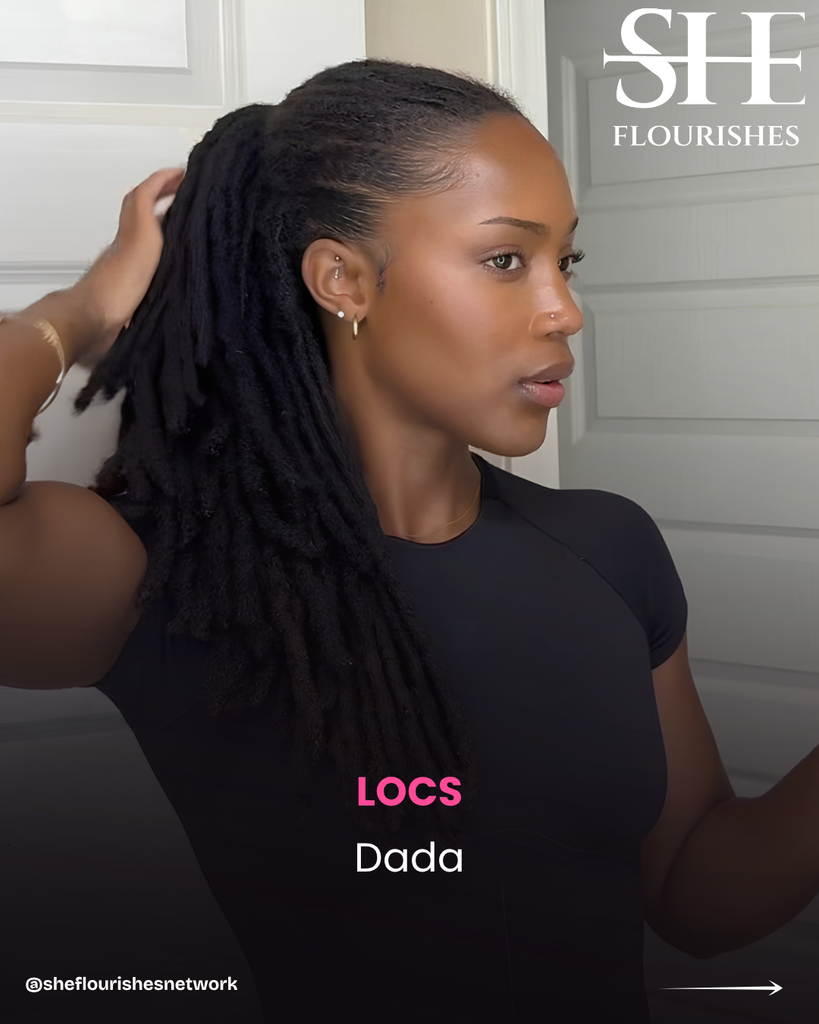
3. Dada, now locs.
Dada is hair that grows into locks naturally from a young age, and in Yoruba tradition it is also the name given to a child born with matted hair. Such a child is believed to be spiritually special and linked to the deity Olokun, the owner of the sea, so parents once believed that cutting the hair without the proper rites could bring sickness. The world now calls these locs, which describes the look of the hair but says nothing about the belief that made it sacred.
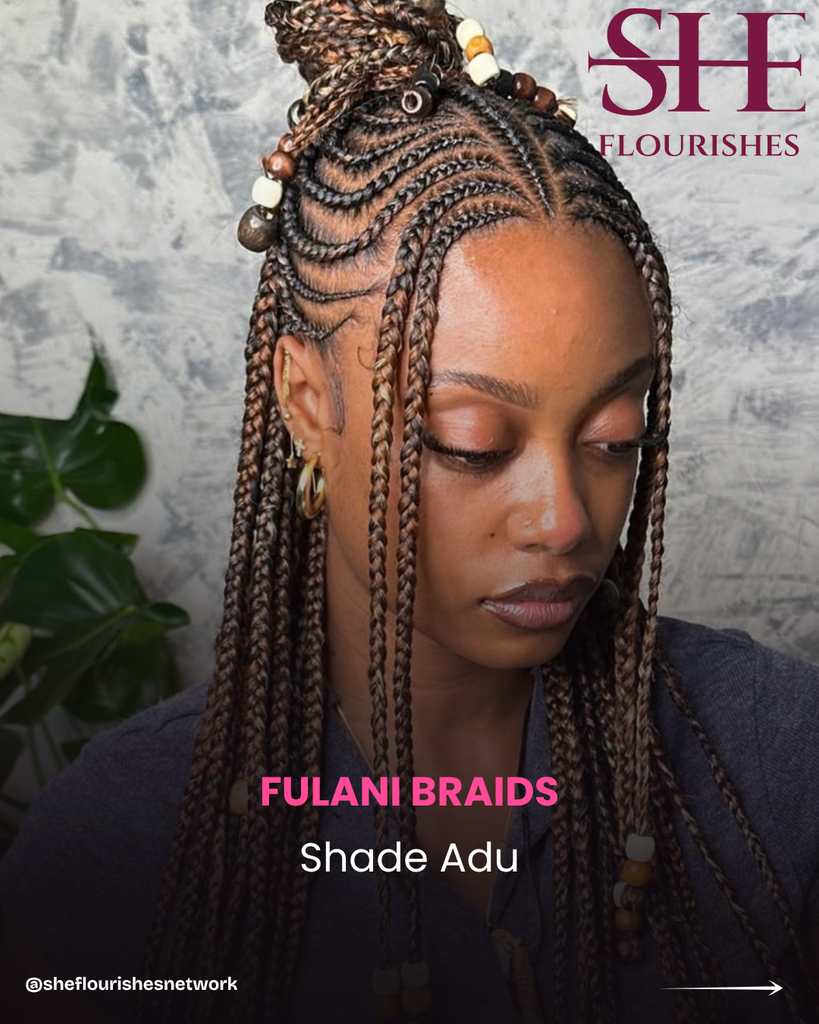
4. Shade Adu, now Fulani braids.
What many Nigerians once called Shade Adu is now known as Fulani braids, and the name links the style to the Fulani people of West Africa. Their look includes thin cornrows, a central braid that runs from the front to the back, and decorations such as beads, which inspired the modern style. This is one of the more accurate renamings, because it credits a real ethnic group instead of inventing a marketing term.
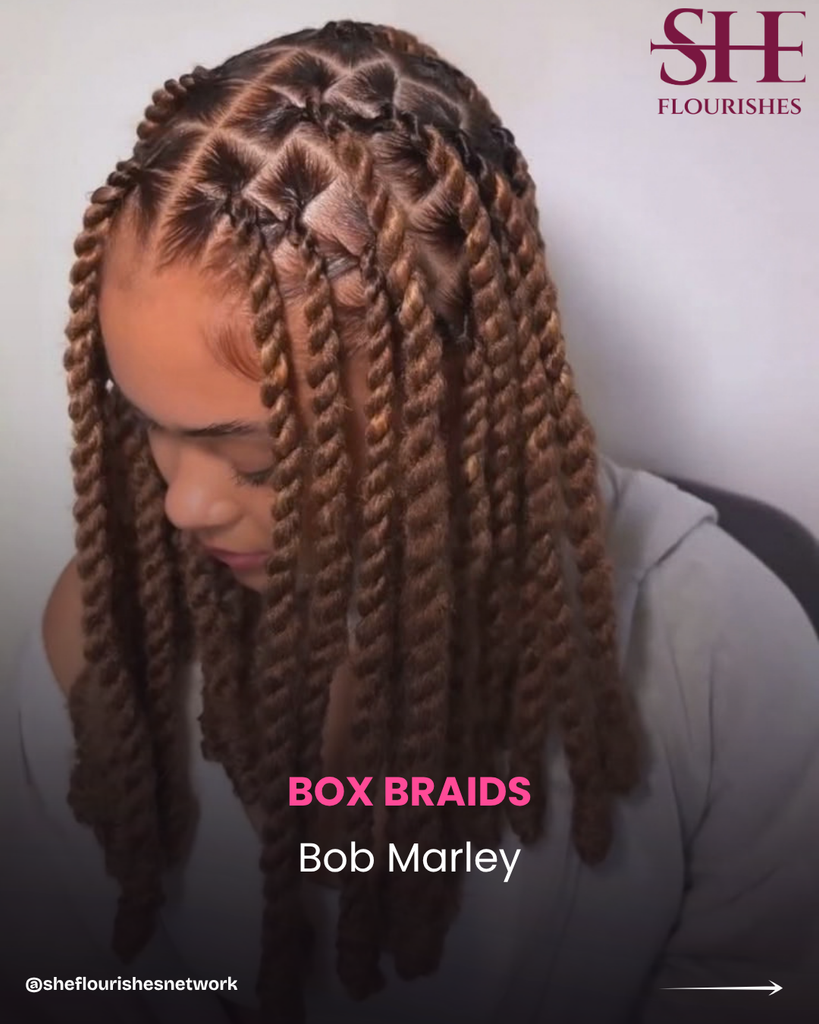
5. Bob Marley, now box braids.
In Nigeria, long, individual braids with extensions, parted into neat squares, were informally called Bob Marley, probably because of the reggae singer’s braided look. The global name is box braids, which comes from the square sections the hair is divided into, and because the braids keep the natural hair tucked away and protected, they are now one of the most recognised protective styles across the African diaspora.
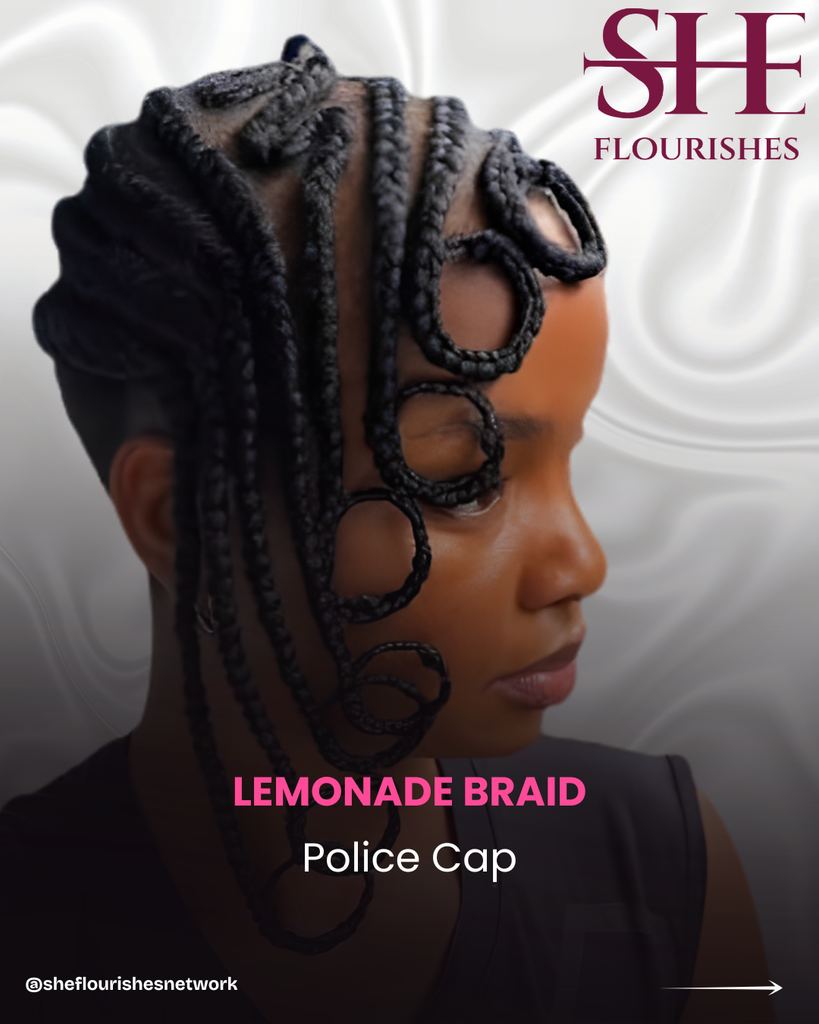
6. Police cap, now lemonade braids.
Many Nigerians called this side-swept cornrow pattern police cap because it looked like the angled shape of an officer’s cap. After Beyoncé wore the style in her 2016 visual album Lemonade, it quickly became known by a new name. Hairstylist Kim Kimble, who did Beyoncé’s hair for the project, is often credited with the look and has claimed it as her creation, but Nigerian braiders had been doing this pattern for years before then, so the style was never new.
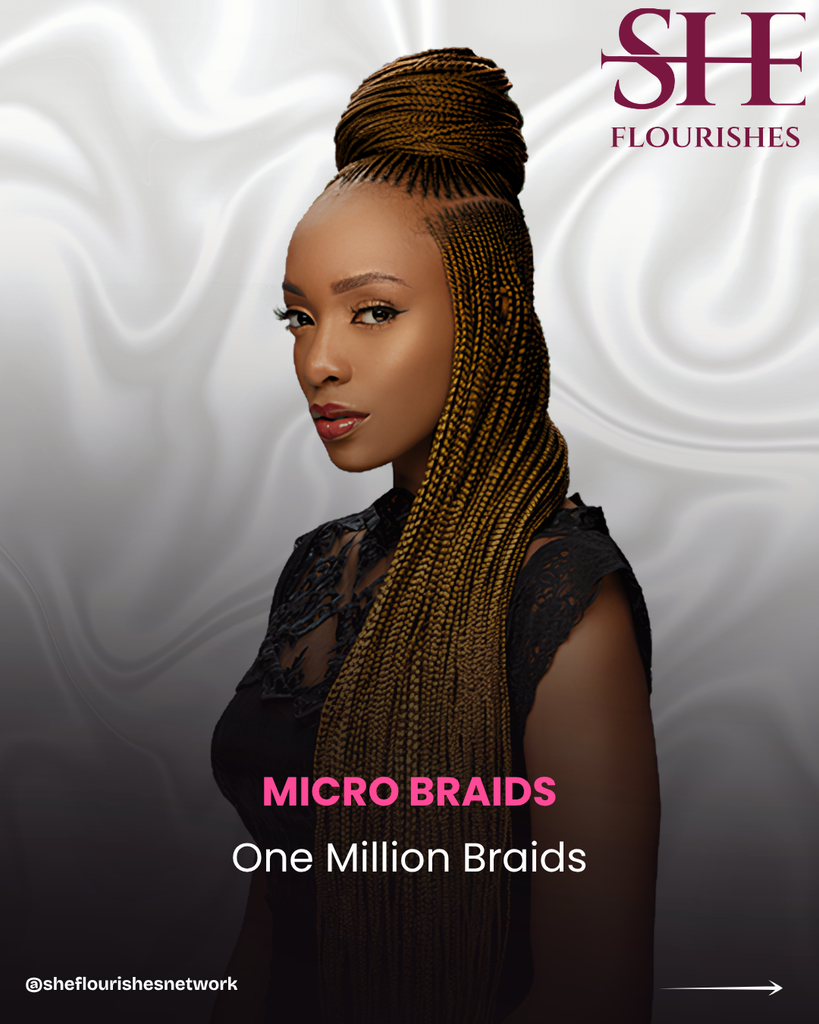
7. One million braids, now micro braids.
The old name described the huge number of tiny braids that covered the head, and the style was popular through the 1990s and 2000s because it looks full and lasts a long time. Most people now call it micro braids, but the name change has not made the appointment any shorter, since a full head can still take six to ten hours.
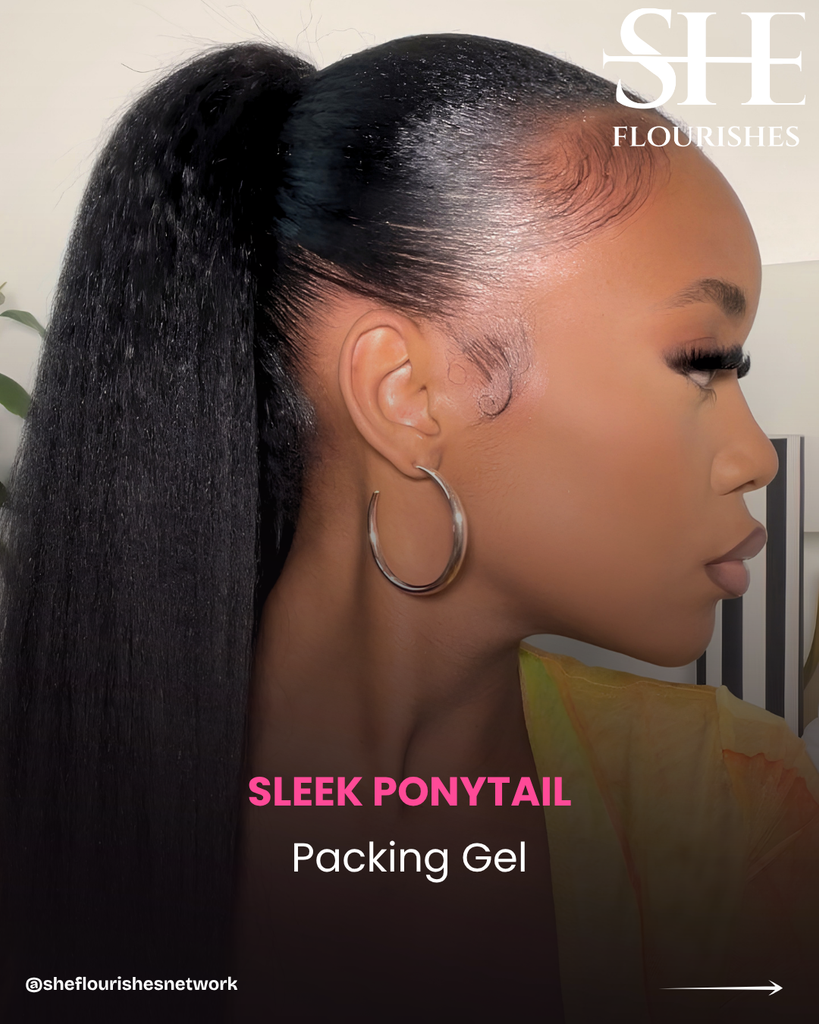
8. Packing gel, now the sleek ponytail.
Packing gel is a style in which the hair is gathered up and slicked down with strong gel, usually brushed smooth from the hairline to a high ponytail or bun. Extension hair is often added to the ponytail for extra length or volume, and the edges are laid flat so the whole look appears polished and neat. It was a favourite for weddings, church, school and work because it is quick to do and keeps the hair off the face. The new name, sleek ponytail, simply describes the finished look, and the technique is the same, although heavy gel can build up in the hair and pulling it back tightly every day can strain the edges.
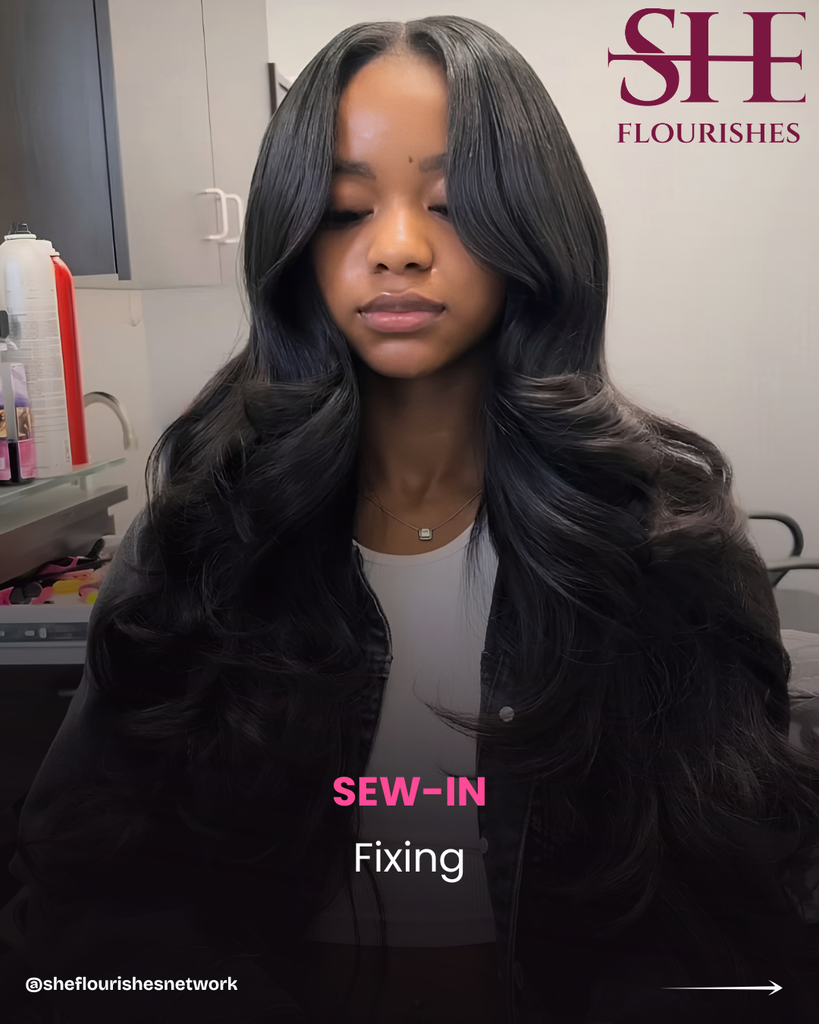
9. Fixing, now the sew-in.
Fixing is the Nigerian word for attaching extension hair or a weave to the head. The natural hair is first braided flat in cornrows, and then bundles of extension hair, called wefts, are sewn onto the braids with a needle and thread so that the new hair falls over the head like natural hair. Sew-in is the name most people use today, mainly because it became the standard term abroad. The two names do not match exactly, because in Nigeria “fixing” is also used for installing wigs, closures and frontals, so the old word covers more than the new one does.
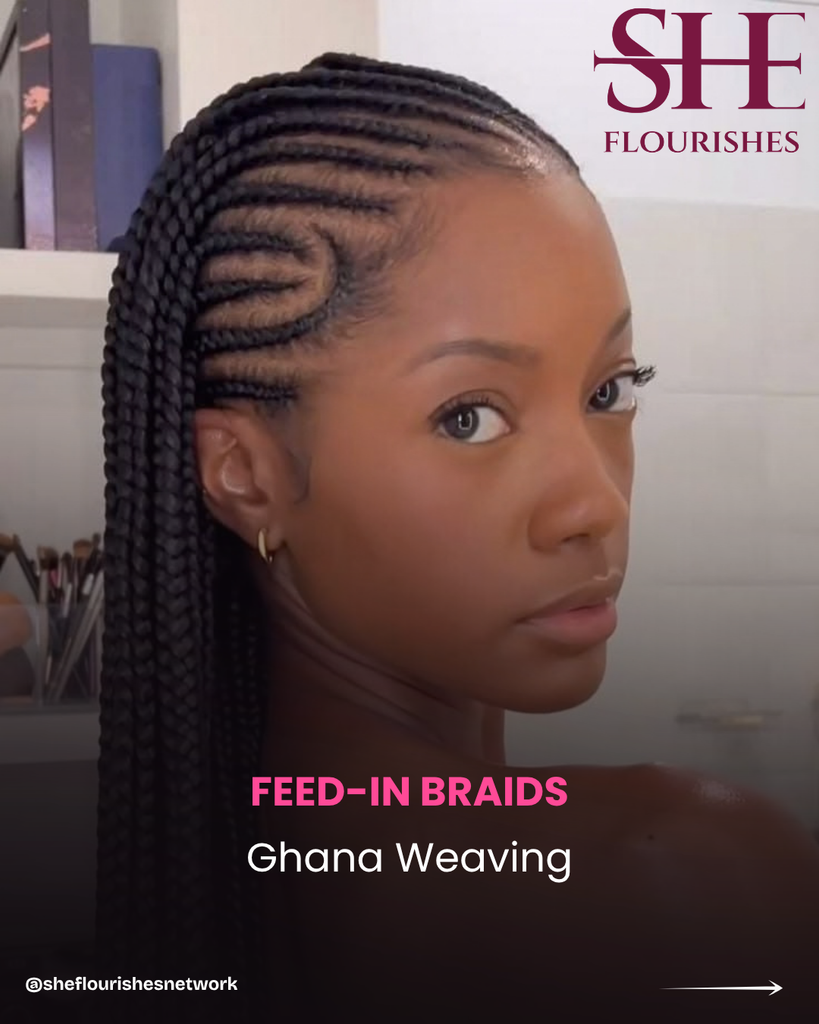
10. Ghana weaving, now feed-in braids.
Ghana weaving is a cornrow style in which the braids run in neat, raised lines from the front of the head to the back, and extension hair is added a little at a time as each braid is made. This means the braid starts out thin and natural at the scalp and becomes thicker along its length, which looks more natural at the roots and puts less strain on the scalp than starting with one large piece of extension hair. The style is usually done in thick lines and can last a few weeks, and its name points to the long exchange of hair styles between Ghana and Nigeria. Feed-in braids is a technical description of the same method, and the two names are used interchangeably.
So what should you call your hair now?
When old names are dropped, the stories and traditions attached to them can be lost too, so it would help if stylists listed the original name next to the modern one. The same rule works for the rest of us: use whichever name gets you the right style in the salon, but say the old name once in a while, because Nigerian women were wearing these styles long before they had new names.
Which names did you grow up with, and which ones are you still refusing to change?
