

Close Menu
    Menu
    • News
    • Business
    • Finance
    • Fashion
    • Travel
    • Culture
    • Food
    • Events
    • Community
    • Partners
    • Resources
    Facebook X (Twitter) Instagram WhatsApp
    • Contact Us
    • Advertise With Us
    Facebook Instagram LinkedIn TikTok
    SheFlourishesSheFlourishes
    • News
    • Leadership & Influence
      1. Business
      2. Careers
      3. Finance
      4. Innovation
      5. View All

      Nigeria Has 36 States. Why Does Women’s Protection Still Depend on Where You Live?

      October 23, 2026

      Design Week Lagos 2026: IDEA Honours Celebrate Marva Griffin, Yinka Shonibare and Lesley Lokko

      October 23, 2026

      Folorunso Alakija Receives UK Honorary Doctorate, Shares a Message for Africa’s Next Generation 

      October 23, 2026

      Before She Won, Hilda Baci Ran Her Food Business From a Tiny Apartment During Lockdown

      October 23, 2026

      Nigeria Has 36 States. Why Does Women’s Protection Still Depend on Where You Live?

      October 23, 2026

      Folorunso Alakija Receives UK Honorary Doctorate, Shares a Message for Africa’s Next Generation 

      October 23, 2026

      Nigeria, China Seal Film Deal to Expand Nollywood into World’s Second-Largest Box Office

      October 23, 2026

      Dr Zainab Shinkafi-Bagudu Assumes Office as First African President of the Union for International Cancer Control

      October 23, 2026
    • Fashion & Lifestyle
      • Fashion
      • Beauty
      • Culture
      • Music
      • Travel
      • Food
    • Community & Social Impact
    • Wellness
    Subscribe
    SheFlourishesSheFlourishes
    Home»Leadership & Influence»Advocacy»Nigeria’s Disability Policies: Are Women with Disabilities Being Left Behind?
    Advocacy

    Nigeria’s Disability Policies: Are Women with Disabilities Being Left Behind?

    SheFlourishesBy SheFlourishesOctober 9, 2026Updated:October 10, 2026No Comments5 Mins Read
    Share Facebook Twitter Pinterest LinkedIn Tumblr Reddit Telegram Email
    Share
    Facebook Twitter LinkedIn Pinterest Email

    Every year, conversations about the challenges women with disabilities face in Nigeria seem to return to the same questions. Are these women being left behind? And who is responsible for protecting their rights?

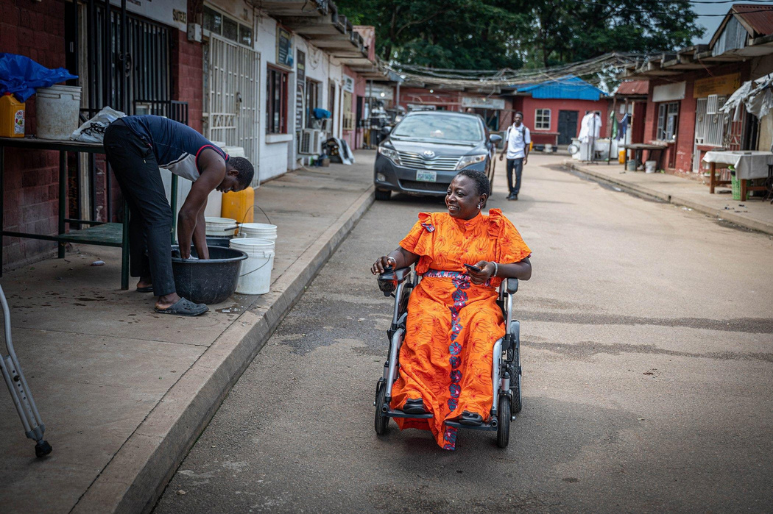
    Women and girls with disabilities face significant barriers to inclusion in Nigeria. Beyond the challenges associated with their disabilities, many must navigate a society whose public infrastructure, institutions and services do not always accommodate their needs. These barriers range from inaccessible public buildings and inadequate healthcare to exposure to violence, difficulties accessing justice and economic exclusion.

    For many women, these challenges affect how they move through public spaces, access essential services and participate in everyday life. Yet, while these experiences continue to emerge in public conversations, the question remains whether the attention they receive is translating into meaningful change.
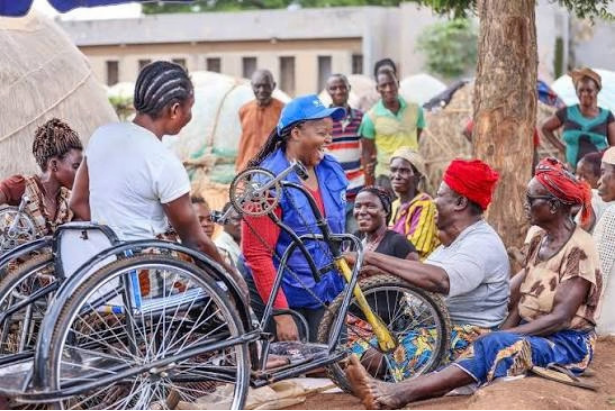
    When public spaces become barriers

    Movement is a basic human need. It allows people to access education, work, healthcare and other essential services. But when roads, transport systems and public buildings are not designed to accommodate people with disabilities, this basic need becomes a barrier to participation.

    Across Nigeria, public spaces such as roads, buses, bus stations, schools, banks and markets may lack ramps, elevators, accessible toilets and other facilities that support people with disabilities. For women with mobility impairments, navigating these spaces can become difficult or impossible without assistance. These barriers go beyond inconvenience. They can restrict women’s independence, limit their access to opportunities and make participation in public life more difficult.

    The risks women face beyond accessibility

    Women with disabilities also face heightened risks of gender-based violence, including physical and sexual abuse. Discrimination, dependence on caregivers and difficulties accessing reporting channels or support services can make it harder for survivors to seek help.

    When police stations, healthcare facilities and support services are inaccessible, women with disabilities may face additional obstacles in reporting abuse and obtaining protection. Addressing gender-based violence therefore requires not only stronger protections but also systems that women with different disabilities can access.

    Economic exclusion presents another challenge. Limited access to education, digital skills and employment opportunities can make financial independence more difficult to achieve. Workplace discrimination and inaccessible learning environments may further reduce women’s ability to earn an income and participate in the economy.

    Poverty can deepen these disadvantages, restricting access to healthcare, education and other essential services. Without inclusive employment opportunities and adequate support, many women risk being excluded from the economic activities that enable greater independence.
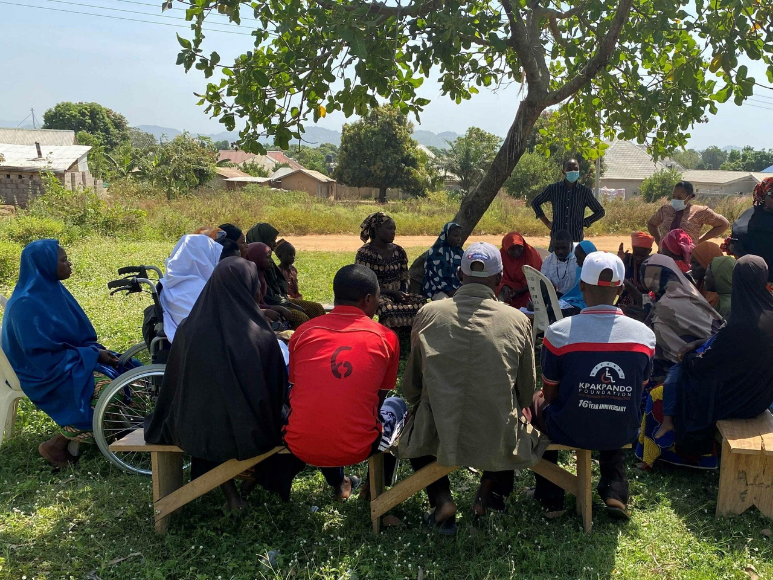
    Healthcare presents similar barriers. Inaccessible facilities, inadequate equipment and limited communication support can prevent women with disabilities from receiving appropriate care. These challenges can be particularly serious when accessing reproductive healthcare, maternal services and support after experiencing violence.

    For example, a woman with a mobility impairment may struggle to access an examination room, while a woman with a hearing impairment may face communication barriers when appropriate support is unavailable. When healthcare systems fail to accommodate their needs, their access to safe and dignified care is compromised.

    What does Nigeria’s policy say?

    In 2018, Nigeria enacted the Discrimination Against Persons with Disabilities (Prohibition) Act to protect the rights of persons with disabilities and prohibit discrimination. The Act established the National Commission for Persons with Disabilities (NCPWD) and includes provisions on accessibility in public buildings and transport services.

    Existing public buildings were given five years to comply with the accessibility requirements, a period that ended in January 2024. The Persons with Disabilities (Accessibility) Regulations followed in 2023, providing further guidance on accessibility. These measures provide a legal framework for improving inclusion. For women with disabilities, however, their significance lies in whether they can translate into practical changes: being able to enter a public building independently, access healthcare, pursue an education, find employment or seek justice without encountering unnecessary barriers.
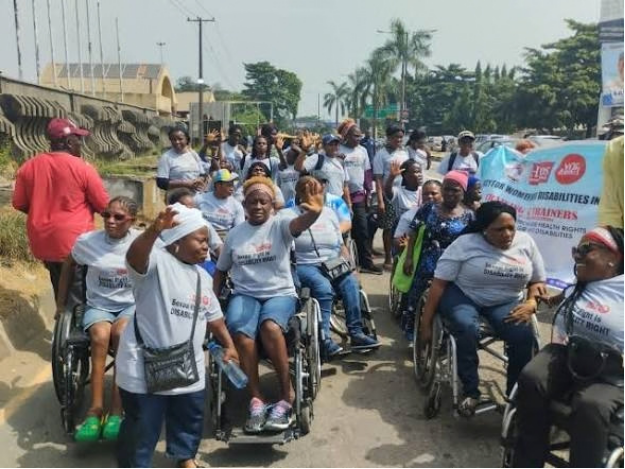
    Accessibility is not a privilege. It is necessary for women with disabilities to participate in society and exercise their rights.

    Despite these legal provisions, the continued barriers women with disabilities encounter raise questions about implementation and accountability. A policy may guarantee accessibility, but its promise is limited when public buildings remain difficult to navigate or essential services fail to accommodate different disabilities. Similarly, legal protections against discrimination and violence cannot be fully effective if women cannot access the institutions responsible for enforcing them.

    The challenge, therefore, is not only the existence of policies but their implementation. Government institutions must ensure adequate funding, consistent monitoring, accessible services and accountability for non-compliance.

    Nigeria has taken steps towards disability inclusion, but legislation alone cannot guarantee equal access to public life. Are public buildings meeting accessibility requirements? Can women with different disabilities access healthcare and report violence safely? Are institutions monitoring compliance, and what happens when they fail to meet their obligations?

    For women with disabilities in Nigeria, inclusion means being able to access healthcare, move freely, pursue economic opportunities and seek protection with dignity. Until policies translate into meaningful changes in everyday life, the gap between the rights women with disabilities are entitled to and the opportunities available to them will remain.

    Share. Facebook Twitter Pinterest LinkedIn Tumblr Email
    Previous ArticleLola Ogunbote Joins Chelsea Women as Head of Football Operations
    Next Article VFD Group’s Appoints Ijeoma Emezie-Ezigbo as First Deputy Managing Director
    SheFlourishes

    Related Posts

    Advocacy

    Nigeria Has 36 States. Why Does Women’s Protection Still Depend on Where You Live?

    October 23, 2026
    Events

    Design Week Lagos 2026: IDEA Honours Celebrate Marva Griffin, Yinka Shonibare and Lesley Lokko

    October 23, 2026
    Leadership & Influence

    Folorunso Alakija Receives UK Honorary Doctorate, Shares a Message for Africa’s Next Generation 

    October 23, 2026
    Add A Comment
    Leave A Reply Cancel Reply

    Demo
    Top Posts

    UN Women Raises Alarm Over Falling Women’s Representation in Power

    September 10, 202614 Views

    NCGC Unlocks ₦46.9bn in Loans, But Women Get Just 17%—The organization launches GuaranteeHer to Close the Gap

    September 9, 202613 Views

    Miss World Nigeria, Tamunosoye Karibi-George has emerged as Africa’s Top Model winner at Miss World 2026

    September 3, 202610 Views
    Stay In Touch
    • Facebook
    • YouTube
    • TikTok
    • WhatsApp
    • Twitter
    • Instagram
    Latest Reviews
    85
    Top Stories

    I No Longer Want to Return to Nigeria – Chimamanda Adichie

    EditorSeptember 14, 2026
    81
    News

    Oluremi Tinubu Unveils National Community Food Bank for South East in Anambra

    EditorSeptember 11, 2026
    8.1
    Business

    Somali Women Hold Nearly $3 Billion in Gold. MyBank Wants to Turn It Into Credit

    EditorSeptember 11, 2026

    Subscribe to SheFlourishes

    Get more Stories Straight to your inbox

    Newsletter

    Get more Stories Straight to your inbox

    Thank you!

    You have successfully joined our subscriber list.

    Most Popular

    UN Women Raises Alarm Over Falling Women’s Representation in Power

    September 10, 202614 Views

    NCGC Unlocks ₦46.9bn in Loans, But Women Get Just 17%—The organization launches GuaranteeHer to Close the Gap

    September 9, 202613 Views

    Miss World Nigeria, Tamunosoye Karibi-George has emerged as Africa’s Top Model winner at Miss World 2026

    September 3, 202610 Views
    Our Picks

    Nigeria Has 36 States. Why Does Women’s Protection Still Depend on Where You Live?

    October 23, 2026

    Design Week Lagos 2026: IDEA Honours Celebrate Marva Griffin, Yinka Shonibare and Lesley Lokko

    October 23, 2026

    Folorunso Alakija Receives UK Honorary Doctorate, Shares a Message for Africa’s Next Generation 

    October 23, 2026

    Subscribe to Updates

    Get the latest creative news from FooBar about art, design and business.

    Newsletter

    Get more Stories Straight to your inbox

    Thank you!

    You have successfully joined our subscriber list.

    Facebook Instagram LinkedIn WhatsApp TikTok
    • Advertise With Us
    • About
    • Community
    • Events
    • Privacy Policy
    • Contact Us
    © 2026 SheFlourishes. Designed by Wytepage.

    Type above and press Enter to search. Press Esc to cancel.