


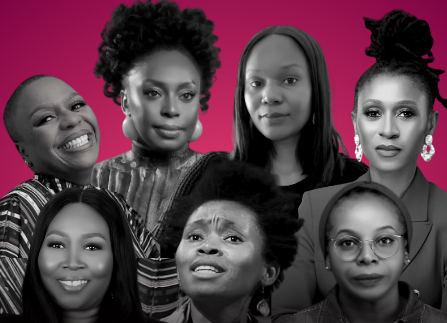
Nigeria’s literary industry is shaped by more than the writers whose books make it onto shelves. Behind the stories readers discover are women building publishing houses, creating platforms for emerging writers, organising literary festivals and changing how African literature is read, discussed and distributed.
For decades, women have helped create the infrastructure that allows Nigerian literature to grow. Some have challenged the barriers facing women writers. Others have built independent publishing businesses, established digital literary magazines or created spaces where writers and readers can meet. Their work matters because writing a book is only one part of building a literary culture. Writers also need publishers willing to take a chance on their work, platforms that bring their stories to readers and an industry capable of sustaining their careers.
From Flora Nwapa, who helped establish a path for African women in publishing, to contemporary figures such as Bibi Bakare-Yusuf, Lola Shoneyin, Anwuli Ojogwu, Ainehi Edoro-Glines and Ukamaka Olisakwe, these women represent different ways of shaping Nigeria’s literary landscape.
Flora Nwapa: Opening the door for African women in publishing
For Flora Nwapa, changing African literature meant doing more than writing stories. It also meant creating opportunities for other writers to get their work published.
Her debut novel, Efuru, was published in 1966 by Heinemann’s African Writers Series, establishing her as a pioneering African woman novelist writing in English. But Nwapa’s contribution did not end with her writing.
In 1974, she founded Tana Press, becoming a trailblazer for African women in publishing and taking greater control over the production and circulation of African stories. Through her publishing work, she helped create space for literature that reflected women’s experiences and African social realities.
Her significance lies in both what she wrote and what she built. At a time when the publishing industry offered limited opportunities for African women to exercise editorial and commercial control, Nwapa demonstrated that women could become the people deciding which stories reached readers.
Chimamanda Ngozi Adichie: Taking Nigerian stories to a global audience
For Chimamanda Ngozi Adichie, the influence of literature extends from the page into international conversations about identity, gender, politics and African life. Through novels such as Purple Hibiscus, Half of a Yellow Sun and Americanah, Adichie has built a global readership for stories rooted in Nigerian experiences. Her work has received international recognition and helped bring contemporary Nigerian literature to readers across different countries and cultures.
Her influence also extends beyond her books. Through public lectures, essays and literary workshops, she has contributed to discussions about storytelling, representation and the experiences of African women. Her writing has helped make Nigerian perspectives part of broader debates about migration, race, feminism and belonging.
Adichie occupies a different position from the women who run publishing houses or literary magazines. Her contribution is primarily that of a writer whose work has achieved significant international reach, rather than that of a literary entrepreneur building a publishing institution. But her success illustrates another part of the literary ecosystem: the power of a writer to expand international interest in Nigerian stories and demonstrate the cultural reach of literature produced on the continent.
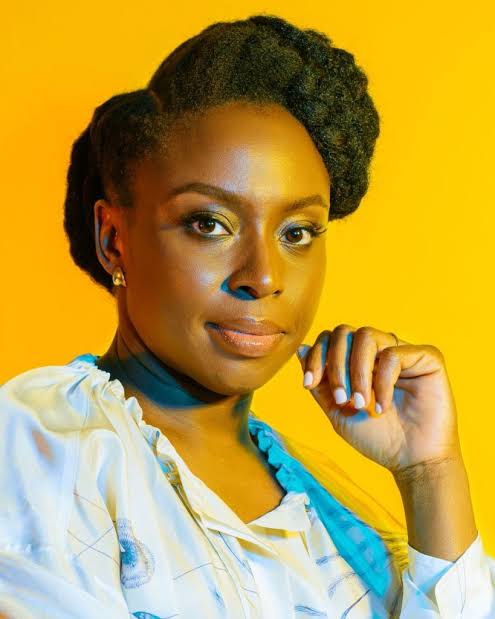
Bibi Bakare-Yusuf: Building a home for African stories
For Bibi Bakare-Yusuf, changing African literature has meant building a publishing business capable of bringing more African stories to readers.
In 2006, she co-founded Cassava Republic Press with Jeremy Weate. The independent publishing house has developed a catalogue of African fiction and nonfiction, publishing writers whose work explores the continent’s cultures, politics, identities and social realities.
Cassava Republic has also worked to expand the reach of African writing beyond the continent, establishing a presence in Nigeria and the United Kingdom. Its work reflects a wider effort to challenge the idea that African books must depend on foreign publishers to find international audiences.
But Bakare-Yusuf’s contribution is not simply about publishing individual titles. She has helped create an institution through which African writers can reach readers and participate in a more diverse publishing industry.
Independent publishers help shape the literary market by deciding which manuscripts receive attention, how books are positioned and which audiences are encouraged to read them.
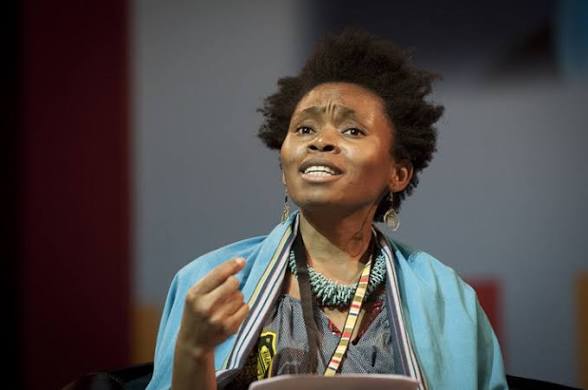
Lola Shoneyin: Taking literature beyond the page
For Lola Shoneyin, building a literary culture has meant creating spaces where books can become the starting point for wider conversations. Shoneyin is the author of The Secret Lives of Baba Segi’s Wives, a novel that explores marriage, gender, family and power through the lives of women in a polygamous household. Beyond her work as a writer and poet, she has invested in the institutions that connect writers with readers.
She founded Ouida Books in Lagos in 2016 and has played a leading role in the Ake Arts and Book Festival, which brings writers, publishers, artists and readers together for conversations, readings and cultural events. These initiatives address a part of the literary industry that is easy to overlook. Books need more than publication to find an audience. They also need events, communities and platforms that encourage people to discover new writers and engage with their work.
Through publishing and literary programming, Shoneyin has helped create opportunities for African writing to be encountered beyond the page. Her work demonstrates how writers can use their experience to build institutions that support a wider literary community.
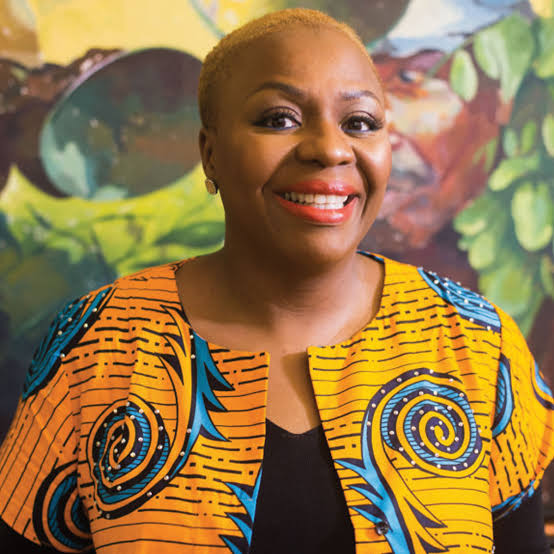
Anwuli Ojogwu: Strengthening the business behind books
For Anwuli Ojogwu, contributing to Nigerian literature means strengthening the systems that turn manuscripts into books and get those books into readers’ hands.
As co-founder and managing director of Narrative Landscape Press, Ojogwu works on the business and operational side of publishing.
Established in 2016, the company has contributed to the production, distribution and circulation of contemporary Nigerian literature.
Publishing requires more than identifying a promising manuscript. It involves editing, production, marketing, distribution and the long-term work of keeping books available to readers. These processes determine whether a book can move beyond its initial release and reach audiences over time.
Ojogwu’s work draws attention to this less visible part of the industry. While authors often receive the most public attention, publishers help build the commercial and organisational structures that allow literary careers to develop.
Ibiso Graham-Douglas: Developing the people and processes behind publishing
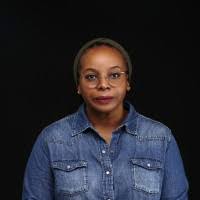
Ibiso Graham-Douglas represents another important part of the literary ecosystem: the work involved in developing books and building publishing expertise. She is the founder of Paperworth Books, an independent publishing and book development consultancy, and has worked as an adjunct lecturer in book publishing at Pan-Atlantic University.
Book development involves the editorial and practical processes that help transform an idea or manuscript into a finished publication. It requires an understanding of writing, editing, production and the commercial considerations that shape a book’s journey to market.
Through her work, Graham-Douglas contributes to the professional knowledge needed to sustain the publishing industry. This matters in a market where the development of local publishing capacity is essential to creating more opportunities for writers and producing books that can compete for readers’ attention

Ainehi Edoro-Glines: Changing how African literature is discussed
For Ainehi Edoro-Glines, expanding the reach of African literature has meant creating a platform for the conversations surrounding it. Edoro-Glines founded Brittle Paper in 2010. The digital literary magazine publishes literary news, fiction, essays, reviews and other writing connected to African literature. It has become a platform through which readers can discover writers, follow developments in the literary world and engage with contemporary African writing.
Literary magazines play a different role from publishing houses. They help establish which books and writers receive critical attention, introduce readers to emerging voices and create space for discussions about the ideas shaping literature.Digital platforms have also changed how readers encounter African writing, allowing literary conversations to travel beyond the geographical limits of traditional print distribution.
Through Brittle Paper, Edoro-Glines has helped make literary discovery and criticism more accessible to online audiences. Her work illustrates how the business of literature extends beyond selling books to include the platforms that create visibility, build readership and shape cultural conversations.
Ukamaka Olisakwe: Creating platforms for emerging writers
For Ukamaka Olisakwe, literary entrepreneurship has meant creating more opportunities for writers to publish their work. The Nigerian novelist and essayist founded Isele Magazine in 2020. The literary journal publishes fiction, poetry and essays from writers across Africa and the diaspora, providing a platform for contemporary literary voices.
For writers, particularly those at the beginning of their careers, literary magazines can offer an important entry point into publishing. They provide opportunities to develop a body of published work, reach new readers and become part of a wider literary community.
Olisakwe’s work builds on the possibilities created by digital publishing. An online journal can connect writers and readers across borders without relying entirely on the distribution networks required by print publications. Her contribution is part of a broader effort to create more routes into the literary industry. By building a platform for new writing, she has extended her work beyond producing her own stories to helping create spaces where other writers can share theirs.
Building an industry, not just writing books
These women have used their work, resources and influence to create more possibilities for literature and the people who make it. Their stories also reveal that the literary industry is bigger than the writers whose names appear on book covers. It includes the publishers who take risks on manuscripts, the editors who develop them, the magazines that introduce new voices, the festivals that build reading communities and the businesses that keep books circulating.
For women in particular, building these institutions can mean influencing not only which stories are told but also who gets the opportunity to tell them. The future of Nigerian literature will depend on talented writers, but it will also depend on the strength of the systems around them. More publishing opportunities, sustainable literary businesses, accessible platforms and engaged reading communities can help ensure that Nigerian stories continue to be written, published, read and remembered.
