


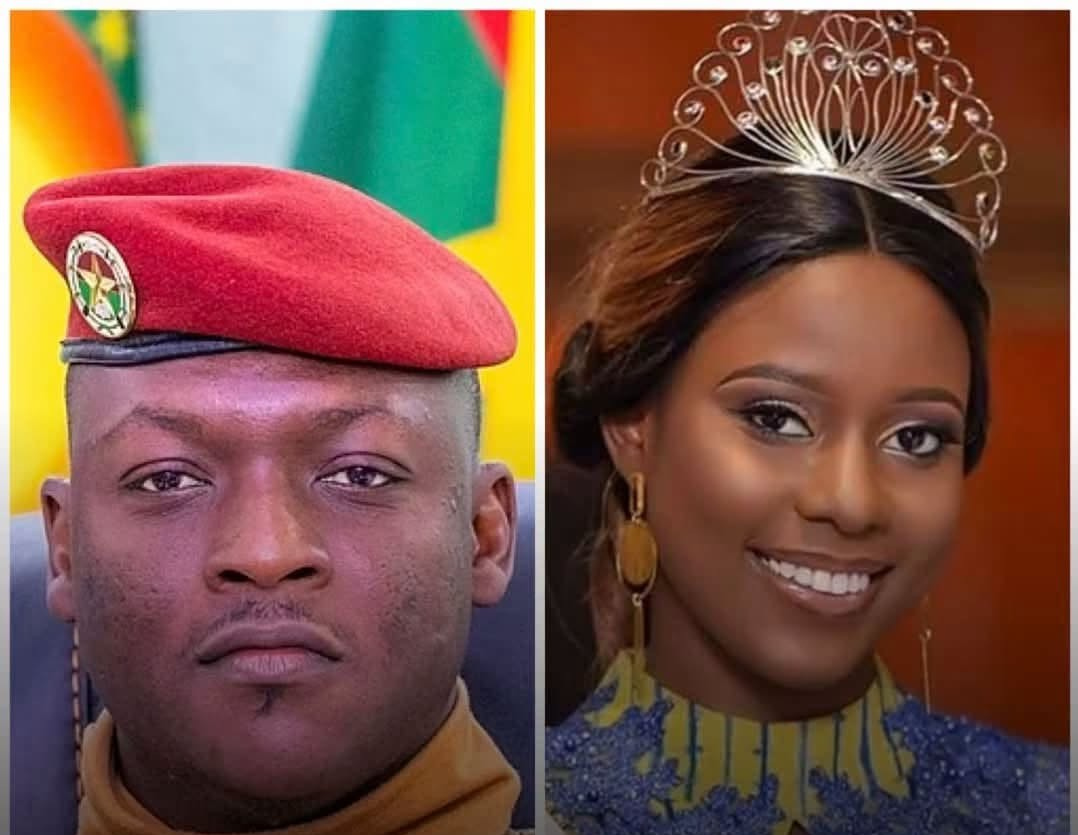
Burkina Faso has suspended beauty pageants pending new regulations, while separately launching a science competition aimed at encouraging young women to pursue scientific fields.
The suspension was announced in June 2026 by the Ministry of Communication, Culture, Arts and Tourism. According to reports, the government cited the need to protect the country’s cultural identity, social values and human dignity as it reviewed the rules governing beauty pageants.
The decision places beauty competitions under review while authorities work on new regulations. The suspension does not, by itself, establish that all pageants have been permanently banned.
Two months later, the Presidency launched HAKILI Mousso, a science competition for young women. The initiative brought together 84 participants to compete in mathematics, physics and chemistry.
The competition recognised top performers with prizes and scholarships, providing an opportunity for participants to further their education and develop their scientific interests. President Ibrahim Traoré met with the winners and encouraged them to pursue careers in science.
The two developments reflect different government actions concerning women’s public participation: the regulation of beauty pageants and the promotion of young women’s engagement with science. However, available reports do not establish that HAKILI Mousso was created to replace beauty competitions or that the two policies are formally connected.
The science initiative also raises a broader question about what it takes to increase women’s participation in scientific fields. Competitions and scholarships can create opportunities, but sustained progress also depends on access to quality science education, mentorship, adequate learning resources and pathways into scientific careers.
For girls and young women, recognition can be a starting point. The longer-term impact will depend on whether opportunities extend beyond a competition to support continued education, skills development and employment.
As Burkina Faso reviews its pageant regulations and promotes young women in science, the two developments offer separate but significant stories about how the country is approaching cultural values and women’s opportunities.
