


Every October 1, Nigeria remembers 1960 as the year the Union Jack came down and a new nation took its place among the world’s independent countries.
The names attached to that story are familiar: Nnamdi Azikiwe, Obafemi Awolowo, Anthony Enahoro and other nationalist leaders whose political campaigns and negotiations helped move Nigeria towards self-rule.
But independence was not only negotiated in conference rooms.
Long before October 1, 1960, Nigerian women were organising in markets, leading protests, campaigning for political rights and challenging both colonial authorities and the local systems that supported them.
Some fought over taxes. Others fought for education, voting rights, representation and an end to forced labour and child marriage. For many of them, the struggle for national freedom was inseparable from the struggle for women to have a voice in the country that independence would create.
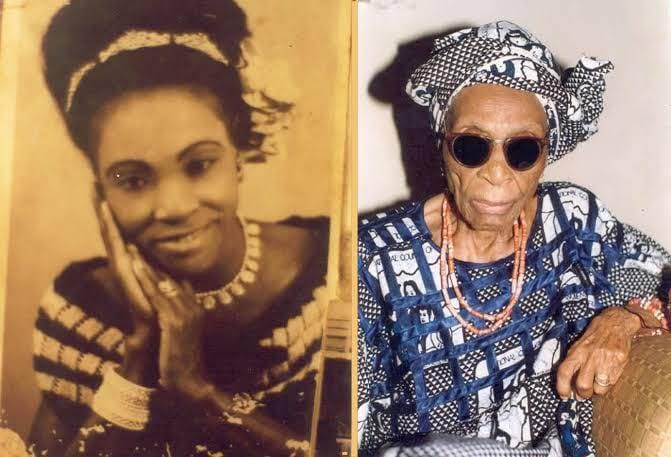
Funmilayo Ransome-Kuti (1900–1978)
Few women embodied this intersection of women’s rights and anti-colonial politics more strongly than Funmilayo Ransome-Kuti.
Through the Abeokuta Women’s Union, Ransome-Kuti mobilised thousands of women against taxation and policies that affected their livelihoods. Her activism contributed to major protests against the Alake of Egbaland’s administration, including demonstrations that eventually led to the removal of separate tax rates for women. But her activism did not stop at Abeokuta.
She became involved in nationalist politics, founded the Federation of Nigerian Women’s Societies in 1953 and participated in political discussions around Nigeria’s independence. She was also among the Nigerian representatives involved in discussions in London in 1960.
Her story complicates the idea of what an independence activist looked like. Ransome-Kuti did not begin with a seat in government. She built political power by organising women around issues that directly affected their everyday lives.
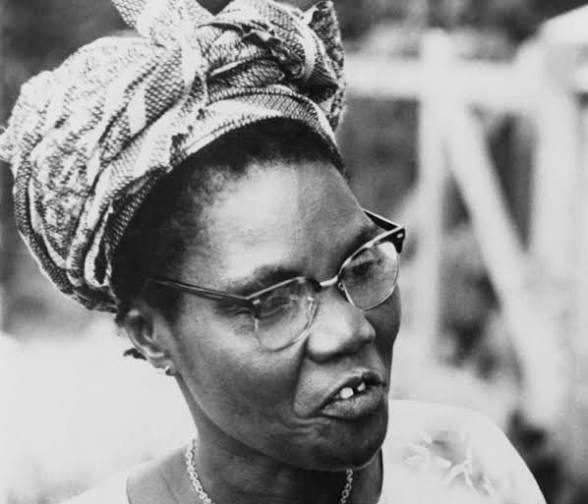
Margaret Ekpo (1914–2006)
In eastern Nigeria, Margaret Ekpo similarly understood that political participation could be built from the grassroots. She became involved in politics after attending meetings on behalf of her husband, who was unable to attend because of his work. Her involvement grew into activism, and she later established the Aba Township Women’s Association.
Ekpo used women’s economic networks to encourage political participation, including voting and collective action. She also participated in protests connected to colonial labour policies and worked alongside Ransome-Kuti in opposing the killing of leaders connected to protests around the Enugu coalfields.
Her political career eventually moved into formal government. She was elected to the Eastern Regional House of Assembly in 1961, shortly after independence.
That transition, from organising women in the marketplace to occupying a legislative seat, captures something important about the period: women were not simply asking to be included in Nigerian politics. They were building the political networks that made their inclusion possible.
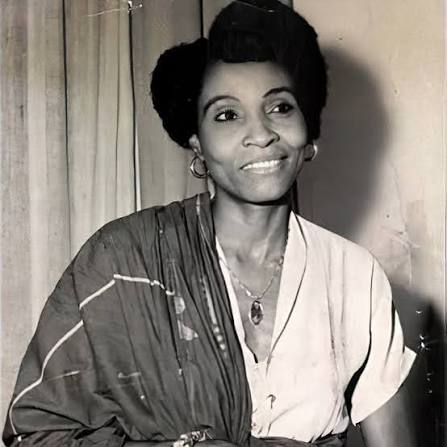
Gambo Sawaba (1933–2001)
For Hajia Gambo Sawaba, the struggle was also about what freedom should mean for women in Northern Nigeria.
She became politically active as a teenager and joined the Northern Elements Progressive Union. Her activism included opposition to child marriage and forced labour, as well as advocacy for women’s education and political participation.
Her activism came at a cost. Historical accounts describe repeated arrests and imprisonment connected to her political activities. She became one of the most prominent women activists in Northern Nigerian politics.
For Sawaba, removing colonial rule did not resolve the inequalities women faced within Nigerian society.
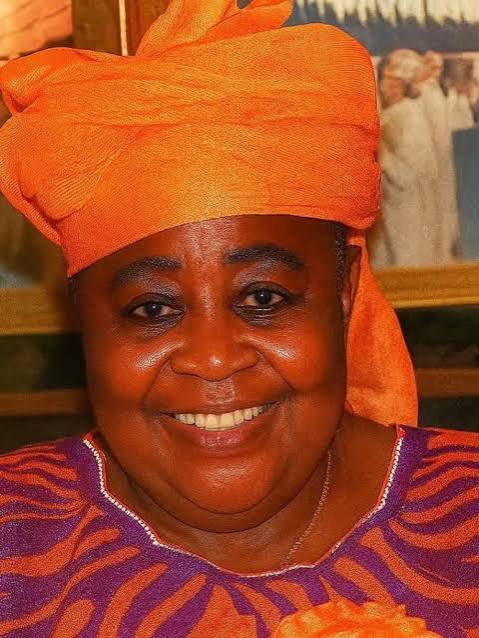
Elizabeth Adekogbe (1919–1968)
Elizabeth Adekogbe created political space for women themselves.
In the 1940s, she founded the Nigerian Women’s Party and used rallies and grassroots organising to advocate for women’s political representation.
Her work placed women’s participation directly within the emerging political conversation about Nigeria’s future.
That matters because women were not simply supporters of the nationalist movement. Some were trying to shape the political institutions that would replace colonial rule.
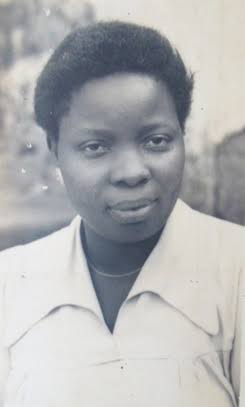
Alimotu Pelewura (1865–1951)
Decades before independence, Alimotu Pelewura had already demonstrated the political power of organised market women in Lagos.
As leader of the Lagos Market Women’s Association, she organised women against colonial taxation and pushed for better conditions and reforms affecting traders. Her activism showed that economic issues could become political issues when the people affected by them organised collectively.
Pelewura’s story is particularly useful because it moves the independence narrative away from politicians and into the everyday economy. The women selling goods in Lagos markets were not spectators to colonial policy. They were among the people directly affected by it, and they organised accordingly.
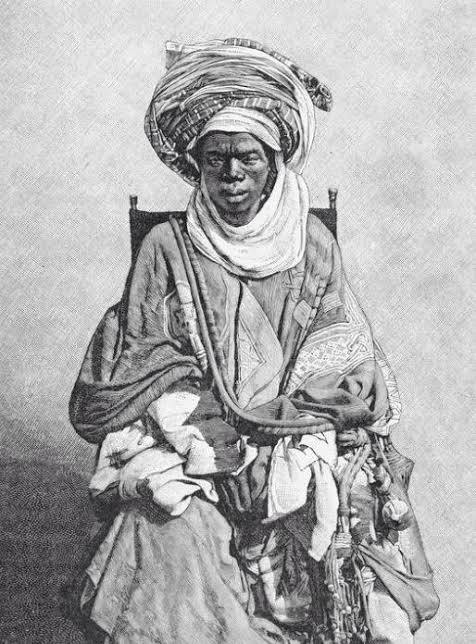
Tanimowo Ogunlesi (1908–2002)
Tanimowo Ogunlesi, a teacher and women’s rights advocate, founded the Women’s Improvement Society in 1947 and established the Children’s Home School after encountering barriers to education for children living far from Ibadan.
Her political involvement later expanded. She joined the Action Group, founded its women’s section and was the only woman in the Nigerian delegation to Britain in 1953 for discussions concerning Nigeria’s future.
She later became the first president of the National Council of Women’s Societies. Her work shows another side of nation-building: the fight over who gets educated, who gets represented and who gets to participate in shaping the future.
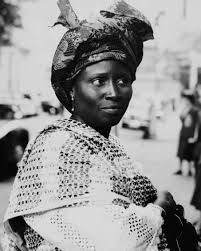
Wuraola Esan (1909–1985)
Some women eventually crossed from grassroots organising into formal political institutions. Wuraola Esan was active in bringing women into politics in Ibadan. In 1960, she became Nigeria’s first female senator, appointed by the Western Region.
Her career demonstrated that women’s participation in the independence-era political movement did not end with protests or associations. Some women also entered the institutions that would govern the newly independent country.
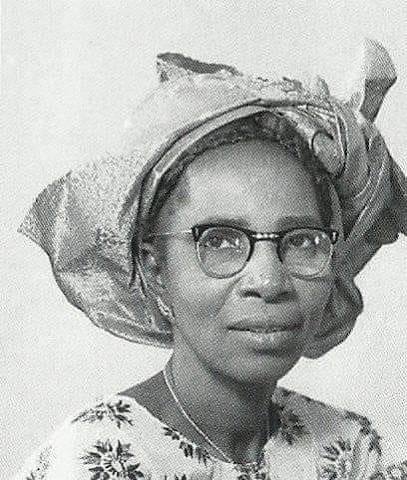
Janet Mokelu (1910–2003)
Janet Mokelu became one of the first women elected to the Eastern House of Assembly in 1951. She was also involved in the NCNC Women’s Wing, where she advocated for women’s voting rights and self-government.
Her move into formal politics was significant because it placed a woman inside one of the institutions through which Nigeria’s emerging political system was being shaped.
But her story also points to a larger contradiction: women could participate in nationalist organising and political mobilisation while still remaining a small minority in formal political institutions.
The Part of Independence We Don’t Always Talk About
The women who participated in Nigeria’s independence struggle did not all have the same politics, backgrounds or methods. Some organised market women. Some built political parties and women’s associations. Some fought colonial taxation. Others focused on education, voting rights or social reforms.
But together, their stories challenge the familiar image of independence as something delivered primarily through speeches, constitutional conferences and negotiations between prominent men.
