



If one only met Damilola Osikoya through the headlines about Black Market, one might think they already know the story. There was the massive premiere. There was Tafawa Balewa Square. There were thousands of people. And then there was the Guinness World Record.
But Osikoya’s story started much earlier, and in places that had very little to do with film.
Before she was producing films, she was working in travel. Before she was building Switch Visuals, she was building Voyage Quest. Before the record, there were years of figuring things out, taking on new opportunities and moving from one chapter to another.
So, who was Damilola Osikoya before she won?

Osikoya grew up in Ibadan, a city with no shortage of history, music, art, literature and drama. It was also a place that made it easy to pay attention to people.
In an interview with The Nollywood Reporter, Osikoya spoke about growing up around that cultural richness and how it shaped the way she observed people and everyday life. The interest in stories came early, even if film did not.
At the time, there was no obvious sign that it would eventually lead to film production or a Guinness World Record. It was simply curiosity, the kind that makes you notice how people speak, behave and tell their own stories.
Her first professional chapters, however, took her somewhere else entirely.

Osikoya’s did not begin on a film set. She had early working experiences at the Don Bosco Centers and Coca-Cola before moving into roles at Wakanow and later GeoTravel & Tours.
Her work increasingly took her into travel, customer service, operations and business management.
And then came the World Cup. Osikoya was involved in Nigeria’s travel operations for the 2014 FIFA World Cup in Brazil and the 2018 World Cup in Russia. That meant much more than getting people from point A to point B.
There were flights, accommodation, schedules, licensing, people, expectations and the inevitable problems that appear when you are trying to coordinate a large number of moving parts. It was a very different kind of experience from film, but it taught her something important: how to make complicated things work.
And, perhaps just as importantly, how much work goes into making something look easy.
In 2021, Osikoya founded Voyage Quest Travels. By then, she already understood the travel business from the inside. Now she was building something of her own.
Voyage Quest was not just about helping people book flights. It grew into a travel company focused on making the experience easier and more personalised for African travellers, including corporate travel.
By 2025, the company had partnerships with more than 22 airlines and was expanding its services and customer support.
That part of Osikoya’s story is worth pausing on because it is easy to overlook once the film work enters the picture. She was already an entrepreneur. She had already built a business, managed customers and teams, dealt with logistics and learned what it meant to turn an idea into something that actually functions.
Eventually, the distance between travel and storytelling did not seem so wide. Osikoya describes it quite simply: travel moves people physically, while film moves them emotionally.
That idea became part of the bridge between the two worlds. She had spent years thinking about people, movement, experiences and all the little details that make something work. Film gave her another way to explore those things.
That was where Switch Visuals came in. Through the company, Osikoya moved further into creative production and film, working on projects including The Wedding Guest, Ruin the Friendship, A Weekend Fiasco and Evi.
This was another new chapter, but she was not starting from scratch.
She was bringing everything she had already learned with her. The planning. The coordination. The business side. The ability to manage moving parts. And, of course, the curiosity about people and stories that had been there since Ibadan.
In 2026, she took another step forward with Macchiato, making her directorial debut.
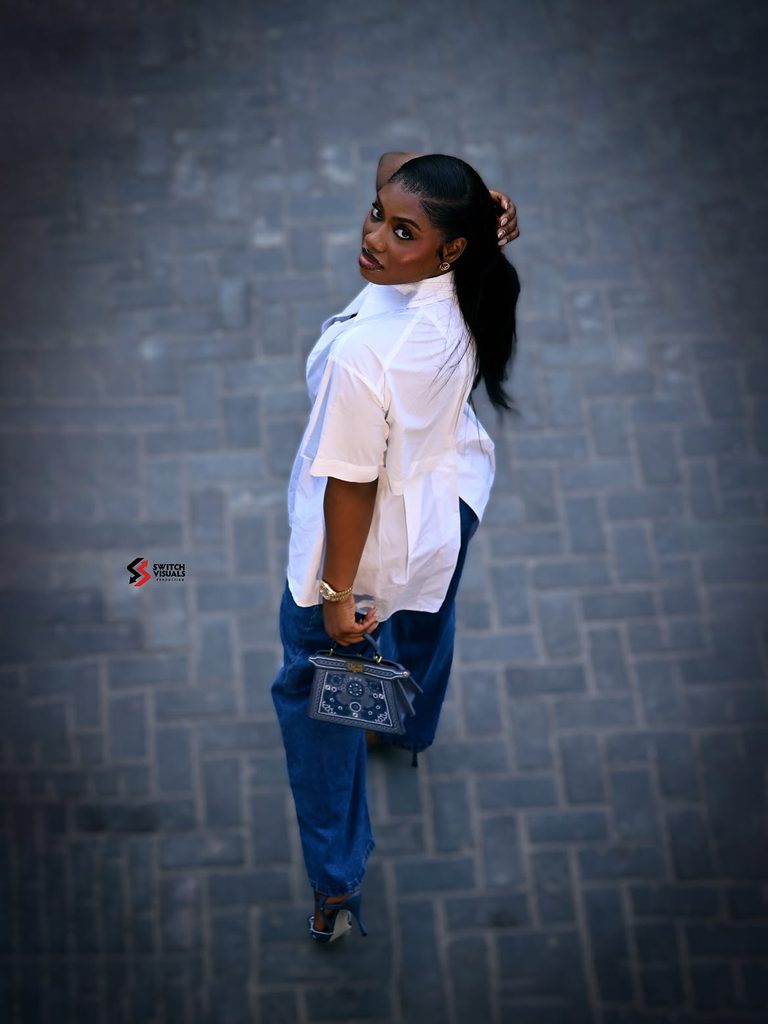
By the time Osikoya got to 2026, she had already done quite a lot. She had worked across different industries. She had been part of Nigeria’s World Cup travel operations. She had built a travel company. She had moved into creative production. She had worked on films. She had started telling her own stories.
And then came Black Market.
On September 26, 2026, Tafawa Balewa Square became the setting for one of the biggest film screenings Nigeria had seen. Osikoya, working as Event Production Producer through Switch Visuals alongside the wider production team, was part of the effort to pull it together.
And then there was the crowd. 51,258 people.
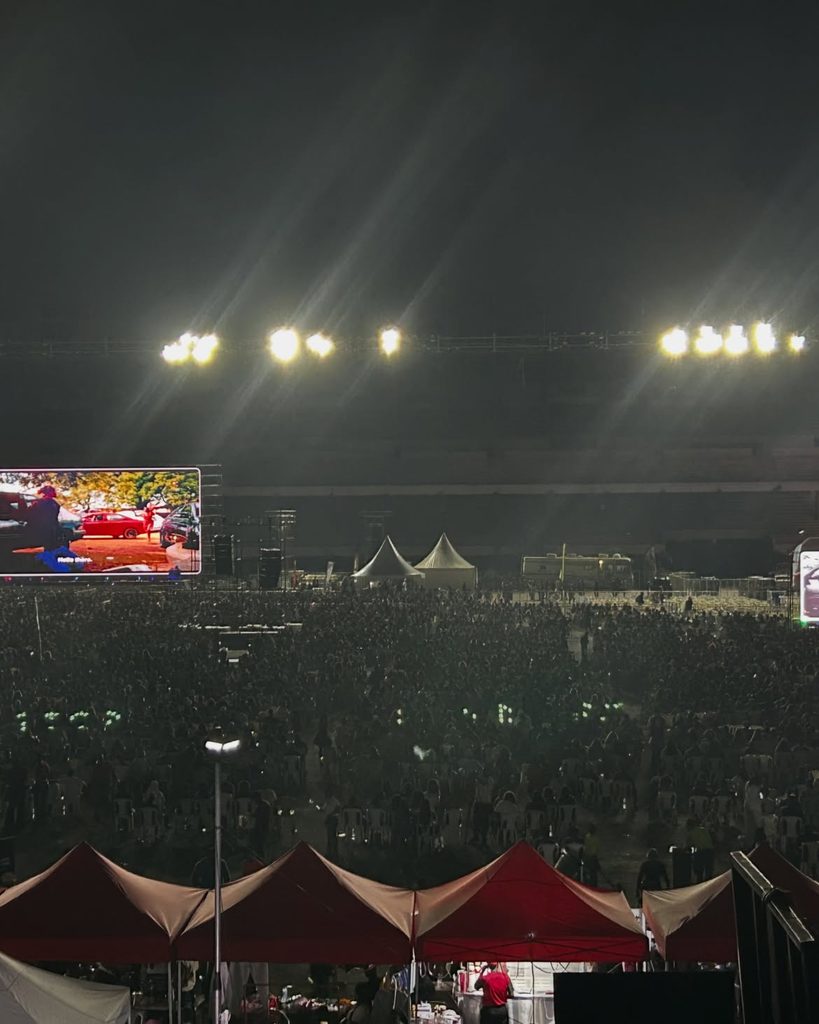
The attendance was recognised by Guinness World Records as the largest attendance at a single-location film screening.
It was a huge moment. The record was spectacular.
But by then, Osikoya had already spent years building a life and career that could stand on their own.
