


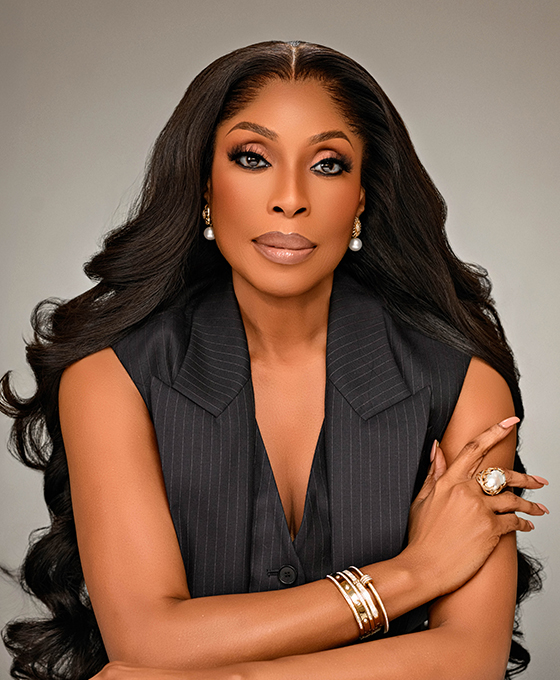
Mo Abudu, CEO of EbonyLife Group, joined some of the world’s most influential film and entertainment leaders at the inaugural Lumière Summit in Saint-Paul-de-Vence, France, on September 7, putting African storytelling and creative leadership into a global conversation about the future of cinema.
Co-chaired by French President Emmanuel Macron and South Korean President Lee Jae-myung, the one-day summit brought together more than 200 filmmakers, executives, policymakers, creators and cultural leaders representing more than 65 countries, regions and international organisations. The gathering was hosted at the Fondation Maeght, a renowned modern-art venue in Saint-Paul-de-Vence.
The summit came at a pivotal moment for the screen industry. Cinema is facing pressure from changing audience habits, the growing influence of social media and streaming, rising production and financing challenges, and the rapid development of artificial intelligence.
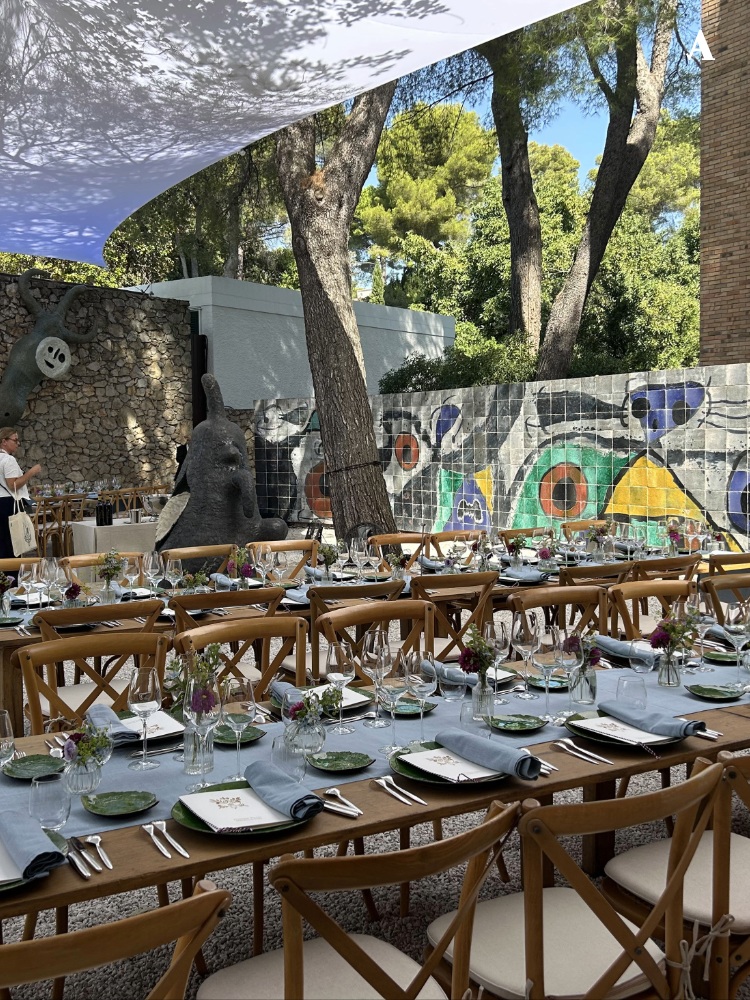
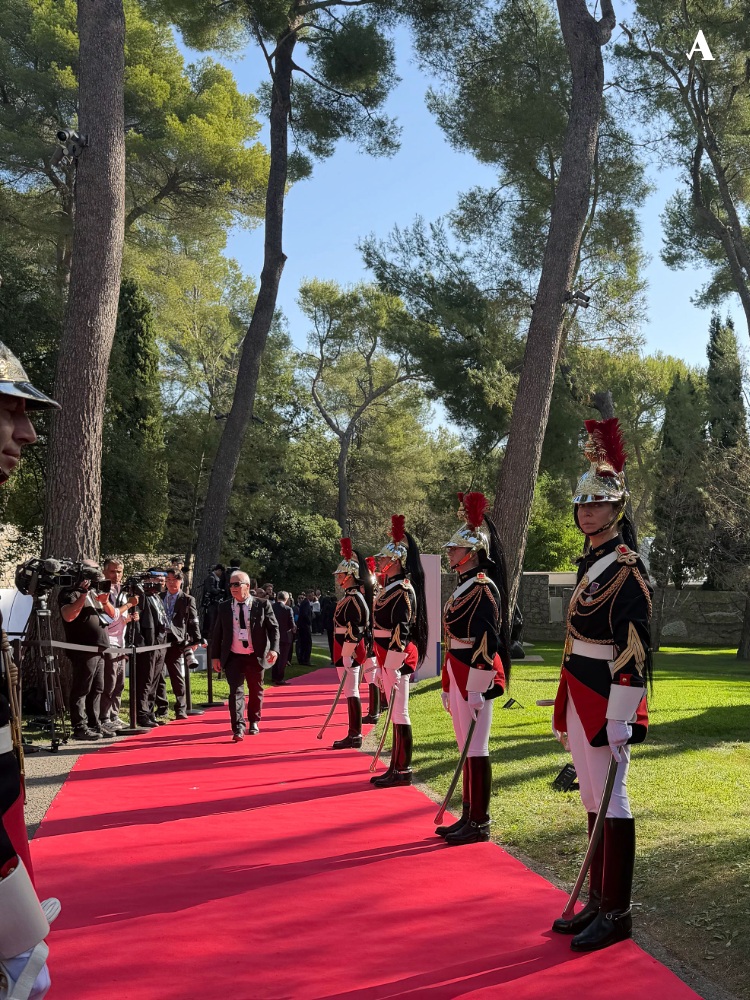
The programme was built around four broad questions: how stories are created, how ambitious projects are financed, how audiences are reached and how the industry can respond collectively to these changes.
Among those attending were Netflix co-CEO Ted Sarandos, NBCUniversal Entertainment Chair Donna Langley, Sony Pictures Motion Picture Group Chairman Tom Rothman, Disney executive Dana Walden, HBO and Max chief Casey Bloys, Cannes Film Festival Director Thierry Frémaux, MUBI CEO Efe Cakarel and other leading figures from studios, streaming platforms, cinemas and cultural institutions.
For Abudu, the summit offered more than a seat in the audience.
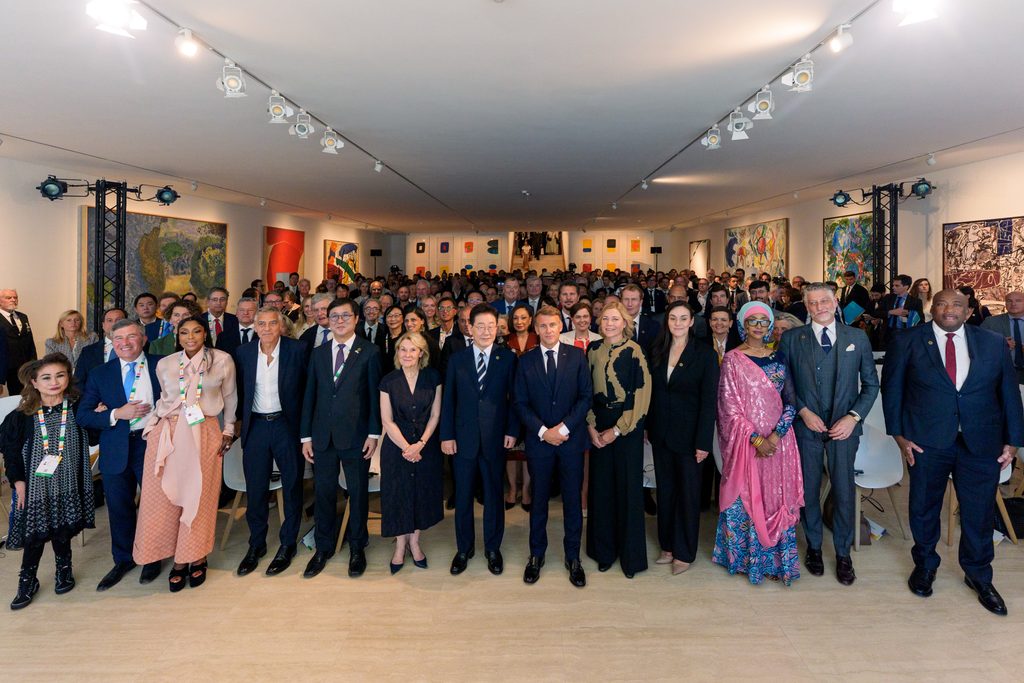
She participated in two panel discussions. The first focused on creating opportunities for young people in the creative industries, alongside Mehret Mandefro of the Realness Institute and Celine Parreñas Shimizu of UCLA, among others.
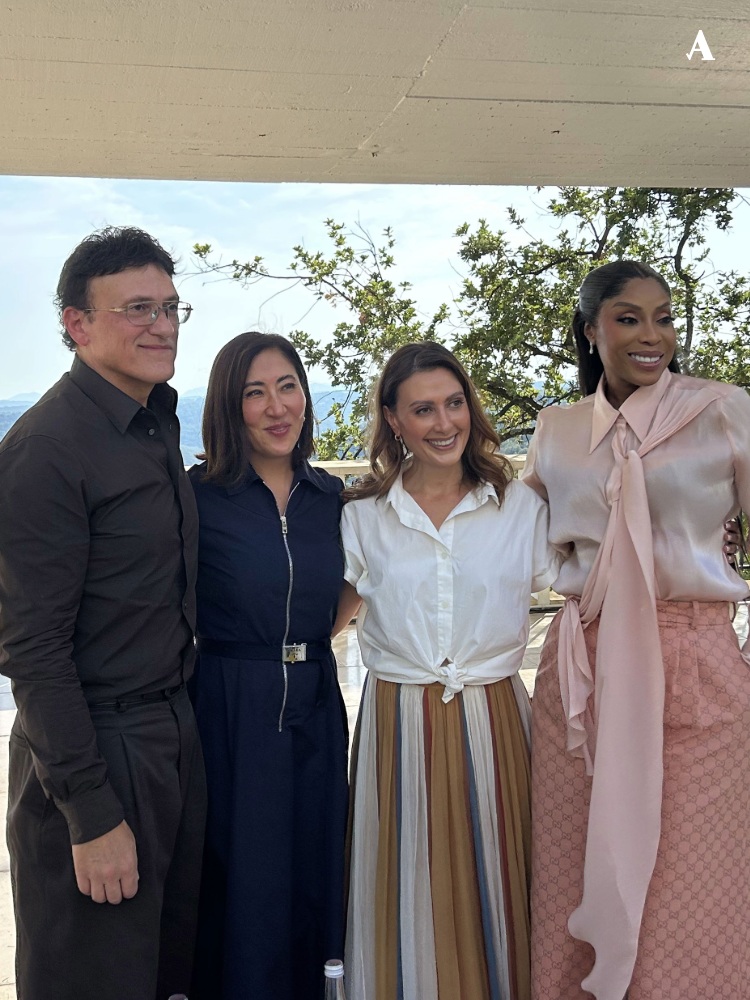
She later joined filmmaker Anthony Russo, director of the upcoming Avengers: Doomsday, and Angela Russo-Ostot, Chief Creative Officer, for a conversation around the creator economy.
On her instagram page, Abudu also described the unusual access the summit created, including sitting next to George Clooney and having lunch with Macron and Brigitte Macron alongside senior executives including Netflix’s Ted Sarandos, NBCUniversal’s Donna Langley and Sony Pictures’ Tom Rothman. She also said she spoke with Cannes Film Festival Director Thierry Frémaux, Parasite executive producer Miky Lee, filmmaker Abderrahmane Sissako and CANEX Creations CEO Osahon Akpata.
That access matters for an African media entrepreneur because the questions being debated at the summit are directly connected to the future of African film: Who finances African stories? Who owns the intellectual property? How do those stories reach international audiences? And how can the next generation of African creators build sustainable careers?
Africa was part of that wider conversation. The summit’s official programme specifically identified Sub-Saharan Africa as a region where expanding audiences will require stronger physical, broadcast and digital infrastructure.
The discussions also produced concrete outcomes. Participants adopted the Lumière Declaration, which calls for stronger protection of human creativity and intellectual property, international cooperation, sustainable production and greater image education from an early age.
France and South Korea also announced a €1 billion screen-industry investment initiative, with each country committing €500 million over five years from 2027, alongside plans to strengthen international co-productions and content investment.
For EbonyLife, these conversations sit alongside an increasingly international strategy. The company is developing a feature adaptation of Lola Shoneyin’s The Secret Lives of Baba Segi’s Wives, while EbonyLife Place London is expected to open in October 2026 as a new platform for African and Black cinema and culture.
Abudu’s presence at the Lumière Summit therefore represents more than another international appearance. It places a Nigerian media entrepreneur inside conversations about how the global screen industry will be financed, protected, distributed and reinvented.
And that is perhaps the most important part of the story for women watching her journey. Leadership is not simply about reaching influential rooms. It is about bringing your perspective into those rooms — and using the access to create bigger possibilities for the people and stories that come after you.
For Nollywood, African creative industries and women in leadership, Mo Abudu’s Lumière moment is an inspiring reminder that African stories belong not only on the global screen, but at the tables deciding what the future of that screen will look like
