


Tems has two Grammy Awards, a part-ownership stake in the American football club San Diego FC, and two number-one finishes on the NotJustOk Afrobeats Power Ranking, in January 2025 and again in 2026, a repeat only South Africa’s Tyla had managed before her. None of that has stopped her from talking, specifically and repeatedly, about what it has actually taken to build that career as a woman in an industry still dominated by men. Across interviews given between 2024 and 2025, she has described being disbelieved, dressing to avoid harassment at work, and turning down deals rather than change who she is. Here are six of those statements, in her own words.
1. “People don’t really respect women in the industry.”
Tems said this directly to the BBC in an August 2025 interview, when asked what it was like starting out in music. She said getting people to take her seriously was one of the biggest obstacles she faced early on, not her voice or her songwriting, but simply being believed. She was clear that this was not a vague impression; she said it shaped the actual opportunities that were and were not offered to her, compared to what her male peers had access to.
2. “There’s always a cost, there’s always a price that you pay.”
In the same BBC interview, Tems went further and described what she called the ongoing cost of staying in the industry as a woman. She said a lot of those prices were ones she was not willing to pay, and that the options available to her were fewer than what was available to men in the same position. She did not name every cost specifically, but she framed it as a constant, not a one-time obstacle she got past early on.
3. She wore baggy clothes to the studio so male producers “wouldn’t be seduced” by her.
On Flow With Korty, the interview series run by Nigerian filmmaker and YouTuber Korty EO, Tems said she made a deliberate decision early in her career to wear oversized clothing to recording sessions. She described working in what she called “alpha mode,” specifically so the male producers she was working with would not, in her own words, be “seduced” by her. She said she used to struggle with how she felt about her own body, in part because men she worked with treated her physical appearance as something she needed to manage, rather than something that had nothing to do with the work.
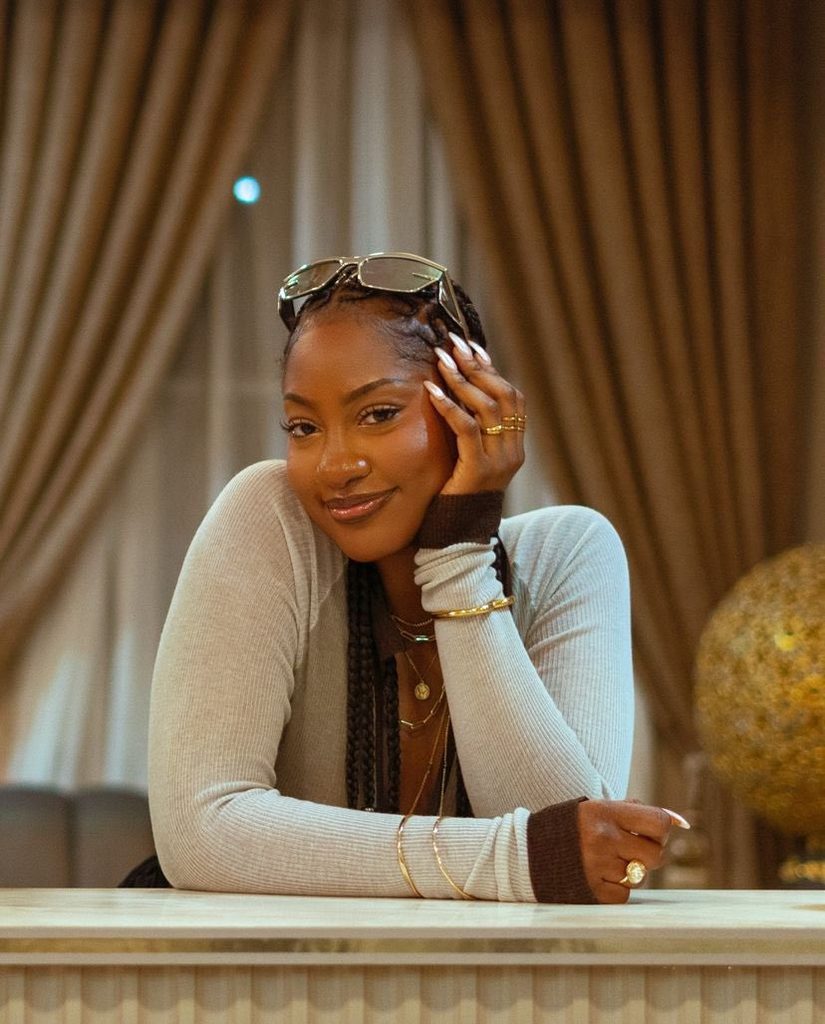
4. “I didn’t feel safe, and I didn’t feel seen, and I didn’t feel supported for a very long time.”
Speaking to CNN in October 2025, Tems described that same early period in starker terms than she had used before. She said it was hard to be taken seriously, not only as a singer, but specifically as a producer, a role she said people were far less willing to credit her with, even when she was doing the work.
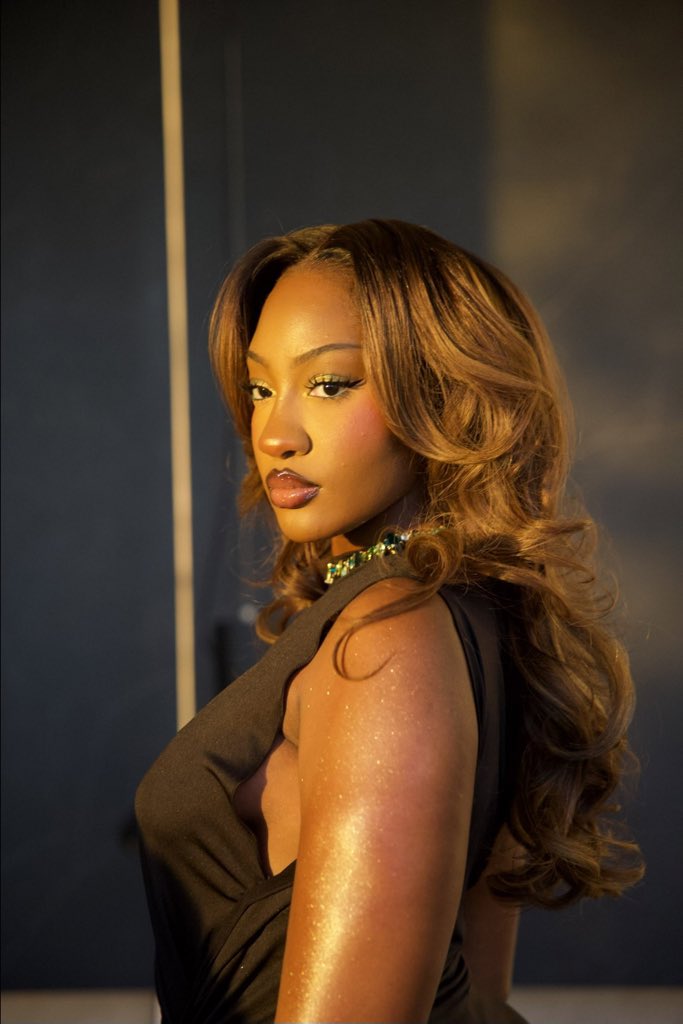
5. “There are so many talented women who can be producers, managers, audio engineers, but they’re not even visible.”
That same CNN interview also served as the announcement of The Leading Vibe Initiative, the platform Tems built for women working in African music, and she named exactly who it was for. She said the goal was to make those women visible and to change how women in music are seen generally, not only as performers, but across every role in the industry, including the ones that rarely get public credit.
6. “If it meant me not being signed, I was okay not being signed.”
According to the same BBC interview, Tems said labels and industry figures tried, early on, to get her to alter her sound and her style to make her more marketable. She said her answer was consistently no, even when she knew it could cost her a deal. “I went to a couple of places that didn’t sign me and I was okay with that,” she said, adding that changing her sound was not something she was willing to trade for a contract.
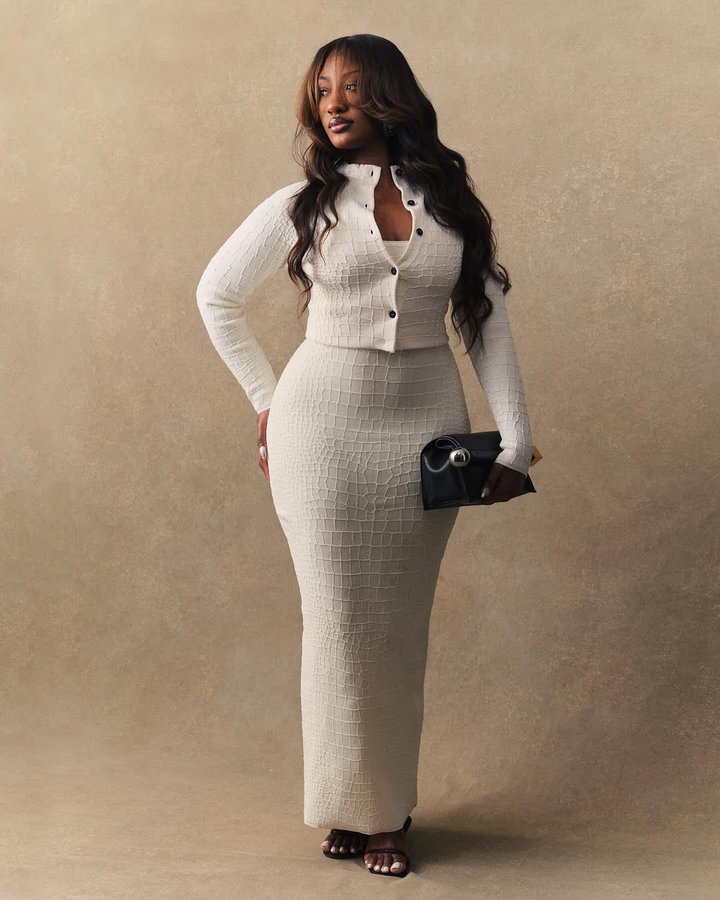
For women in music, the hardest part has never been getting through the door alone. It is everything that can happen once they are inside, from being underestimated in the studio to having their appearance enter conversations where their work should be the only subject. Tems’s experience speaks to a reality that extends well beyond music. In male-dominated industries, women are often asked to prove that they belong before they are given the freedom to simply do the work. The hope is that, with more women occupying these spaces and speaking openly about what happens inside them, belonging eventually becomes less of a question women have to answer.
