


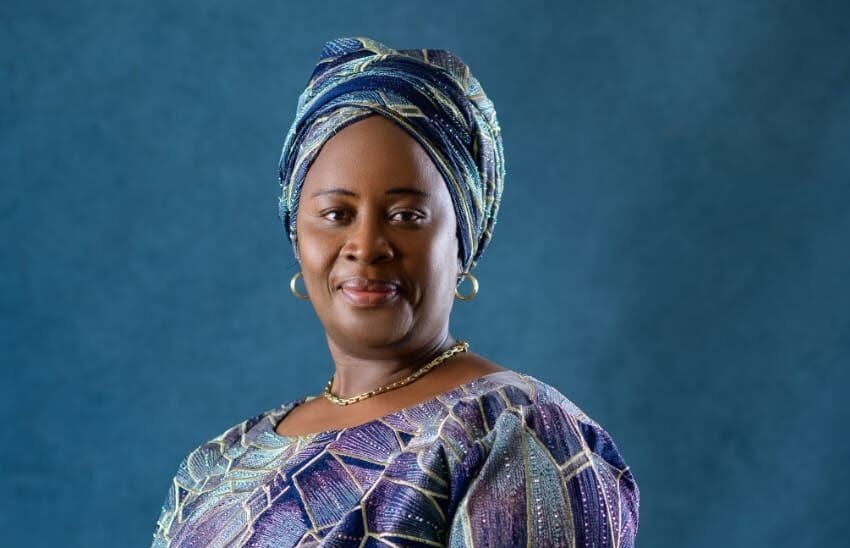
The UN Women Country Representative to Nigeria and ECOWAS, Beatrice Eyong, has called for stronger monitoring and accountability in the implementation of gender-responsive planning and budgeting across ministries, departments and agencies of government.
Eyong made the call on Monday, September 14, in Abuja at a capacity-building workshop on gender-responsive planning and budgeting, organised by the Federal Ministry of Budget and Economic Planning.
She said the federal government had already taken steps to institutionalise gender-responsive planning and budgeting through a partnership with the Civil Service of Nigeria, noting that permanent secretaries from nearly all ministries, along with representatives of the Accountant-General’s Office and the National Bureau of Statistics, had been trained under the initiative.
According to her, the training is now being extended to directors and other officers across ministries, with plans to eventually take the process to state governments as well.
Eyong said the initiative was backed by a five-year plan that includes annual monitoring and the production of a gender report showing which ministries, departments and agencies are actually implementing gender-responsive planning and budgeting.
She disclosed that UN Women and the government were also working on finalising a gender-responsive planning and budgeting framework that would contain clear monitoring and accountability mechanisms.
Eyong described gender-responsive budgeting as critical to ensuring equitable development, stressing that women must be included in governance and decision-making processes.
Also speaking at the workshop, the Director of Gender Affairs at the Federal Ministry of Women Affairs and Social Development, Adamu Samaila Web, urged gender focal persons across ministries, departments and agencies to apply what they had learned from the training to improve planning and budget implementation in their respective institutions.
Representing the Regional Director and Vice President of the African Development Bank, Dr Abdul Kamara, the bank’s Gender Equality and Women’s Empowerment Specialist for its Nigeria Country Department, Dr Patience Ekechukwu, said gender-responsive budgeting was a strategic tool for addressing inequalities and ensuring that public resources produced equitable development outcomes.
The African Development Bank called for stronger institutional coordination, reliable gender-disaggregated data, clear budgetary commitments, effective monitoring indicators and accountability mechanisms, while also highlighting the High-Level Working Group on Gender-Responsive Planning and Budgeting and the Country Gender Profile and Roadmap to Equality 2030 as key tools for sustaining the initiative going forward.
