

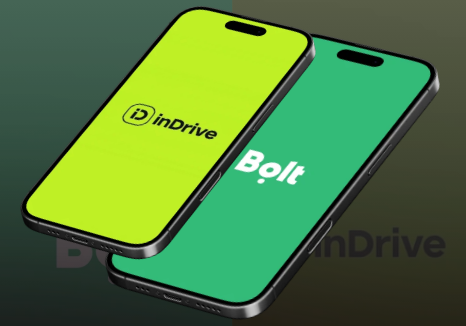
Lagos commuters could face disruptions to ride-hailing services in October as drivers on Bolt and inDrive plan to withdraw their services over platform commissions, fares and rising operating costs.
The planned action, announced by the Amalgamated Union of App-based Transporters of Nigeria (AUATON), comes less than a month after Uber officially ended its ride-hailing operations in Nigeria on September 2, 2026, leaving Bolt and inDrive among the major platforms available to commuters.
According to the union, drivers want Bolt and inDrive to reduce platform commissions to a maximum of 10 per cent and review fares to reflect the rising cost of operating vehicles in Lagos. The union’s Lagos State Council chairman, Jaiyesimi Azeez, signed the statement announcing the planned action.
At the centre of the dispute is how much drivers take home after paying for fuel, vehicle maintenance, insurance, data, government levies and vehicle financing or rental costs.
AUATON is also demanding greater transparency around how fares and deductions are calculated, including clearer breakdowns of passenger payments, commissions, discounts, other charges and drivers’ final earnings. The union wants driver representatives to be consulted before platforms introduce changes to fares, commissions, subscriptions or other financial terms.
Bolt currently lists a 20 per cent commission on the final price of each order in Nigeria, according to its driver guide. AUATON’s proposed 10 per cent ceiling would cut the platform’s stated commission rate by half.
The union is also calling for stronger welfare protections, including health insurance, accident and emergency support, retirement protection and other forms of social protection. Passenger safety is part of the demands.
The planned shutdown comes weeks after Uber’s departure from Nigeria, a development that has particular implications for women who relied heavily on the platform. For many female passengers, ride-hailing has also been an alternative to the safety concerns associated with public transportation.
A survey cited in the same report found that 45 per cent of female passengers in Lagos had experienced sexual harassment while using public transport, while 70 per cent said they had witnessed it happen to someone else.
With Uber gone, women who relied on the platform have fewer major ride-hailing options. If Bolt and inDrive drivers withdraw their services, those choices could narrow further. The impact could be felt through longer waiting times, fewer available vehicles and potentially higher fares if supply falls.
The planned October action does not mean Bolt or inDrive will shut down their applications. The proposed action is a withdrawal of driver services from the platforms.
AUATON has indicated that the shutdown could still be avoided if negotiations with Bolt and inDrive produce an agreement.
The union is also considering engagements with Nigerian mobility companies that could provide alternative earning opportunities for drivers during the industrial action. Potential platforms would be assessed based on fares, commissions, welfare, safety, payment transparency, customer support and regulatory compliance.
