


Nigeria needs more investment in women, and the economic case for it is becoming harder to ignore.
The World Bank recently said closing gender gaps in agriculture, self-employment and wage employment could unlock as much as $22.9 billion for Nigeria’s economy, equivalent to about 5.8 per cent of GDP.
The message is straightforward: investing in women is not only about improving individual lives. It is also an investment in Nigeria’s economic growth. But some Nigerian women have spent years putting that idea into practice.
Their investments have taken different forms. Some have deployed capital into women-led businesses. Others have built leadership networks, created entrepreneurial opportunities, developed investment communities or opened doors in industries where women have historically had limited access.
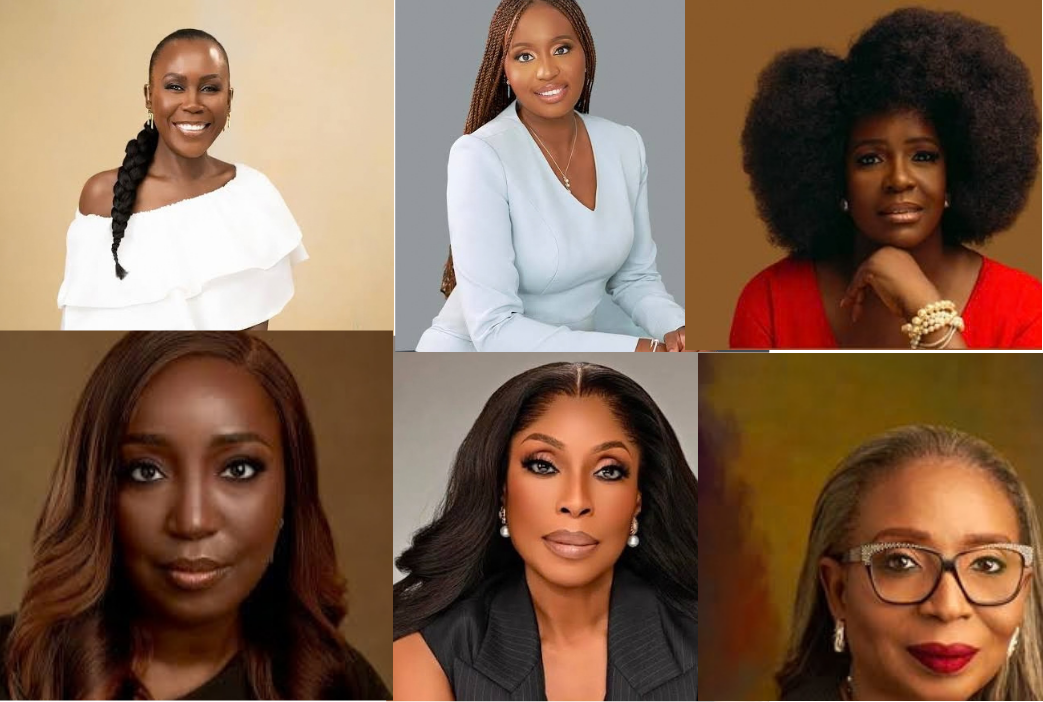
Ibukun Awosika, Adesuwa Okunbo Rhodes, Eloho Omame, Tara Fela-Durotoye, Yemi Keri and Mo Abudu represent six different ways of investing in women’s potential.
Ibukun Awosika: Building women who can lead
For Ibukun Awosika, investing in women has meant creating opportunities for women to grow into positions of influence.
Awosika became the first woman to chair First Bank of Nigeria, becoming one of the country’s most recognisable corporate leaders. But her contribution to women extends beyond her own career.
She is a co-founder and former chairperson of WIMBIZ, Women in Management, Business and Public Service, an organisation that has worked for more than two decades to increase women’s participation and influence in leadership, business and public service.
Through mentoring, leadership development, entrepreneurship programmes and networking, WIMBIZ has created platforms for women to develop the skills, relationships and confidence needed to move into positions of influence.
Awosika’s work is a reminder that investing in women does not always begin with money. Sometimes, it begins with helping women develop the capacity and connections to sit at tables where important decisions are made.
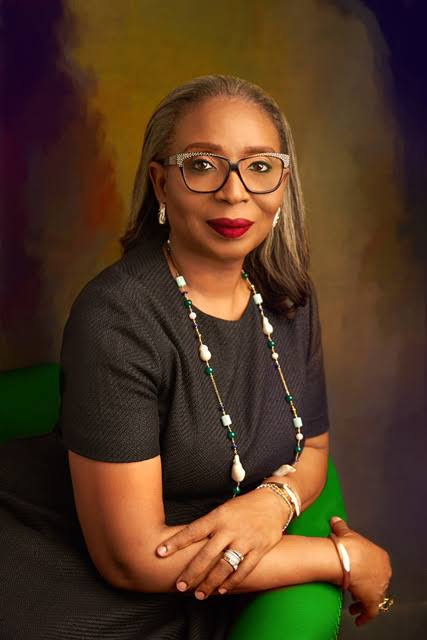
Adesuwa Okunbo Rhodes: Putting capital behind the female economy
For Adesuwa Okunbo Rhodes, investing in women is not a side project. It is central to the investment strategy she built at Aruwa Capital Management.
As Founder and Managing Partner, Rhodes leads a gender-lens investment firm that backs businesses that are women-founded or led, serve the female economy, or create opportunities for women across their workforce and value chains.
Aruwa invests across sectors including healthcare, financial services, renewable energy, consumer goods, agribusiness and technology.
But Rhodes’ work is also about changing who gets to control capital. She has advocated for more women to become investors and capital allocators because increasing the number of women making investment decisions can also help increase the number of women-led businesses receiving funding.
It is a different way of thinking about representation. It is not simply about getting women into existing rooms. It is also about putting more women in positions where they can decide where money goes.
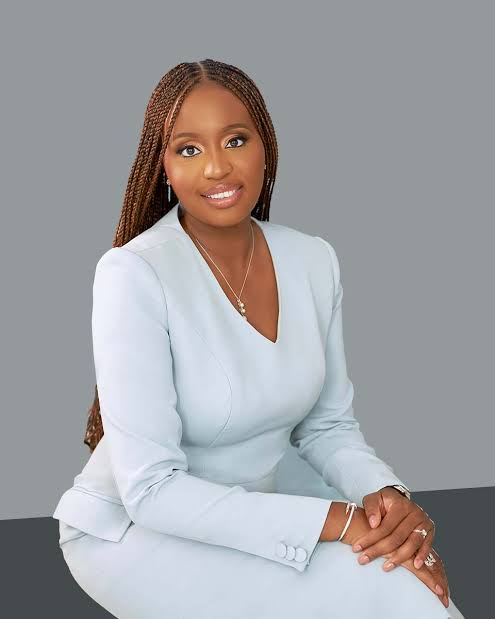
Eloho Omame: Writing the first cheque
Eloho Omame has put her experience in finance and entrepreneurship into creating pathways for women founders.
In 2021, she co-founded FirstCheck Africa with Odunayo Eweniyi, creating a female-focused early-stage investment platform designed to address the funding gap faced by women in African technology. The platform invests in startups with at least one female founder or co-founder while providing founders with what FirstCheck describes as “financial, social and belief capital.”
But Omame’s work is not only about getting money to female founders. FirstCheck Africa has also helped build a community of female angel investors, creating an opportunity for more women to become the people writing the cheques themselves.
That creates a second layer of investment: backing women entrepreneurs today while helping build a generation of women who can become investors tomorrow. Before FirstCheck, Omame was the inaugural Managing Director and CEO of Endeavor Nigeria and held investment roles at institutions including General Atlantic.
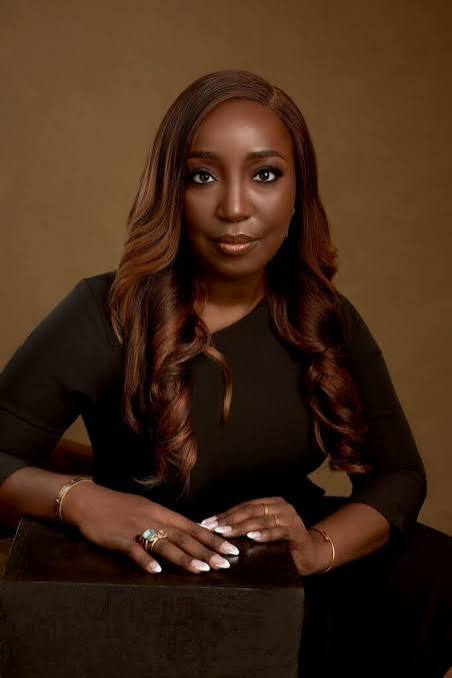
Tara Fela-Durotoye: Turning a career into a pathway for other women
Not every investment in women starts with a private equity fund. Tara Fela-Durotoye built hers through an industry.
As the founder of House of Tara International, she helped professionalise Nigeria’s makeup industry and created pathways for women to turn beauty skills into businesses.
House of Tara grew from a pioneering makeup studio and school into a wider beauty entrepreneur network, providing women with training, business opportunities and tools to build independent livelihoods.
That makes Fela-Durotoye’s story particularly relevant to the investment conversation. Her contribution was not simply creating a successful beauty company for herself. She helped create an ecosystem in which other women could learn a skill, earn an income, build businesses and see entrepreneurship as a viable career.
For more than two decades, she has used her experience as a founder, mentor and educator to create opportunities for women in an industry that was once largely informal.
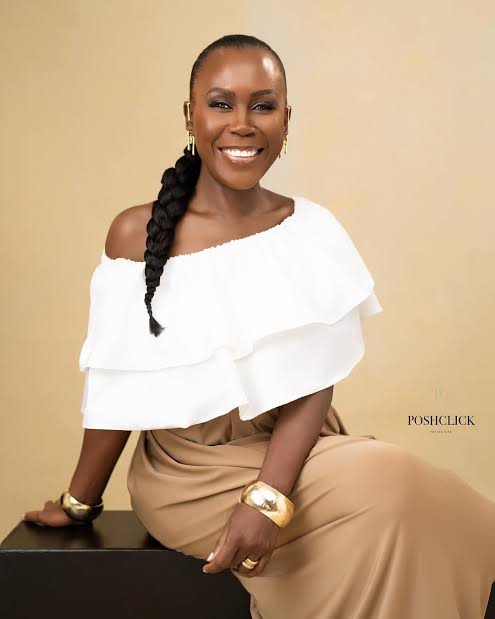
Yemi Keri: Building a network of women investors
If women need more access to capital, they also need more women with the power, knowledge and networks to deploy that capital. That is part of the thinking behind Rising Tide Africa, the network of women angel investors co-founded by technology executive Yemi Keri.
The organisation brings women investors together to provide capital, business advice, mentorship, education and networks to entrepreneurs across Africa.
Its model addresses both sides of the funding gap. Women entrepreneurs gain access to investors and mentors, while women within the network gain the opportunity to develop their own capacity as angel investors.
Keri’s work therefore goes beyond helping individual women secure funding. It is about changing who gets to participate in the investment ecosystem in the first place. More women investing in women can create a cycle in which capital, knowledge and opportunities continue to move between women.
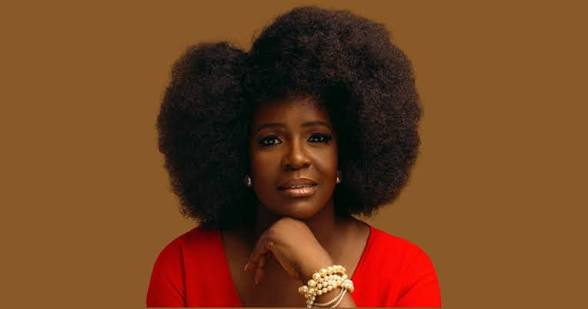
Mo Abudu: Creating platforms where women can lead
Mo Abudu’s investment in women has largely happened through media. As the founder of EbonyLife, she built one of Africa’s most recognisable media brands while creating opportunities for African writers, producers, filmmakers, actors and other creatives.
Her work has also contributed to changing how African women are represented on screen, creating space for stories that place African women at the centre rather than at the margins.
But representation is only one part of the equation. Creating platforms for women to write, produce, direct, act and lead also creates professional opportunities. It gives women access to an industry, builds experience and allows them to participate in deciding which African stories are told and how they are told.
For Abudu, investment is therefore also about ownership, visibility and access. A woman does not only need to appear in the room. She needs opportunities to help shape what happens inside it.
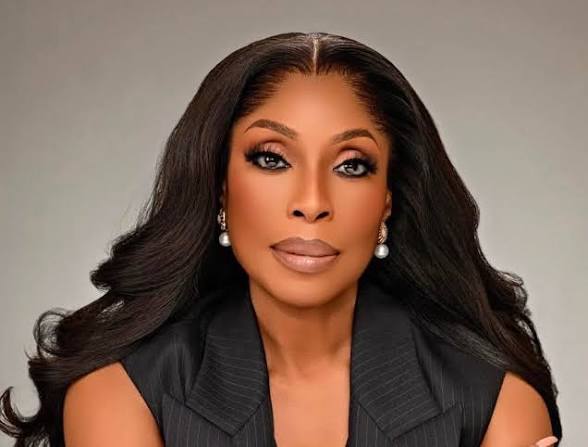
The bigger story: Investment is bigger than money
These six women do not all invest in women in the same way.
Awosika has built leadership networks and pathways. Rhodes deploys institutional capital. Omame backs women-led technology businesses. Fela-Durotoye created an entrepreneurial ecosystem in beauty. Keri is helping women become investors themselves. Abudu has created platforms and opportunities in media.
But there is a common thread: they have used what they have to create more possibilities for other women.
And perhaps that is the bigger point behind the World Bank’s recent warning. Investing in women does not always have to mean a multimillion-naira fund or a corporate programme. It can mean funding a business, building a network, teaching a skill, making an introduction, opening a door, creating a platform or giving another woman the opportunity to lead.
