


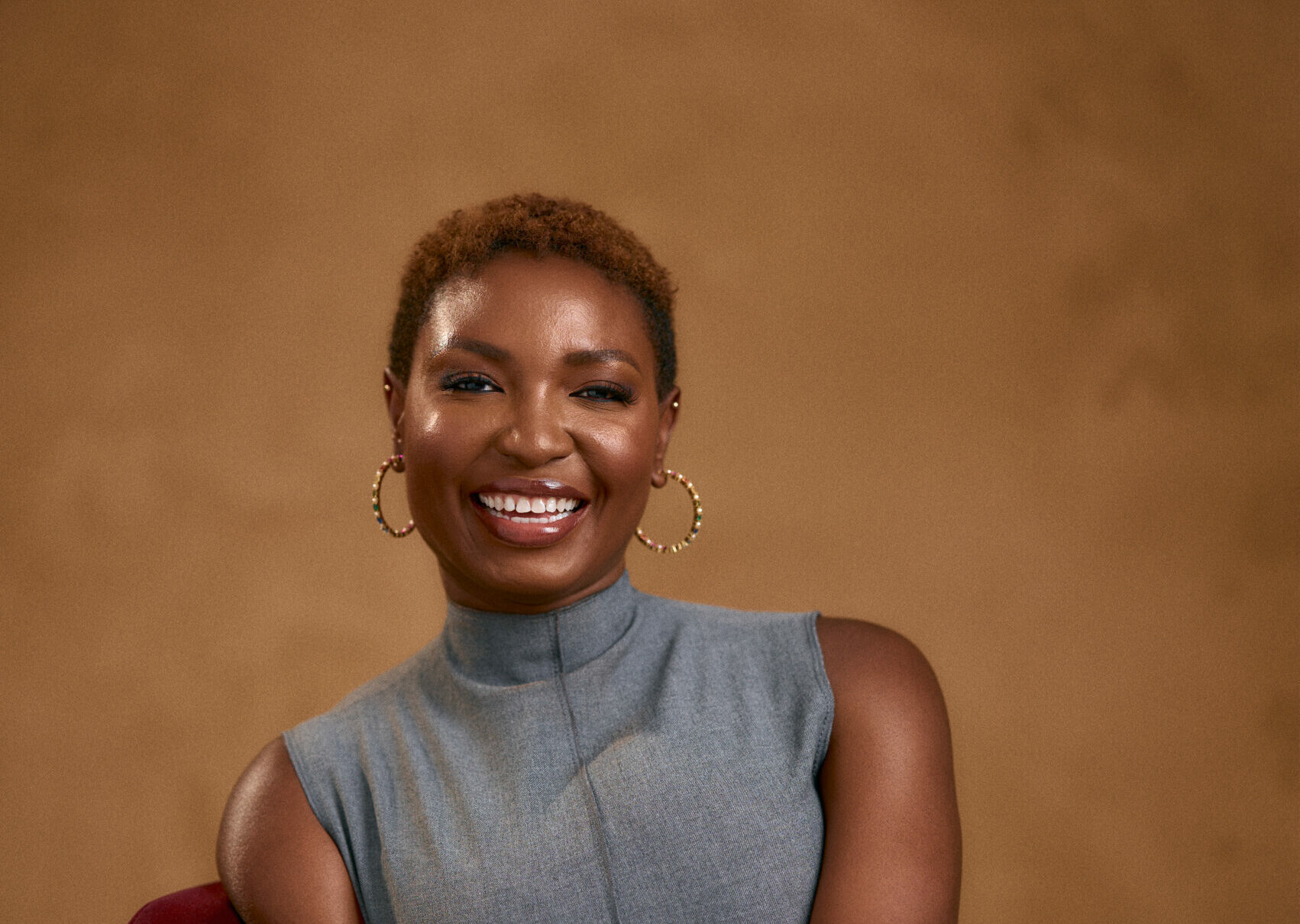
Ifedayo Agoro, who most people simply call Ife, was born in Lagos on May 13, 1983, and grew up in Mafoluku and later Shogunle in Oshodi, the second of three children. She has said the family often shared small meals, and that her mother taught her poverty is a state of mind, so they never felt poor. By the age of eight she was selling garri, and she was paid to bring friends to dance at neighborhood parties.
Words were always her first love. She knew in secondary school that she wanted to be a writer, a habit that began in JSS 2 when her mother turned her letters home into a weekly letter writing punishment. Her mother and her friends wanted her to study Law, but Ife chose English at Olabisi Onabanjo University and graduated in 2006 with a 2.1.
She dreamed of being a scriptwriter and storyteller for film and television and started out at a film studio run by Kunle Afolayan, but she has said the pay was poor. She moved to an oil and gas company as a receptionist, was promoted to operations officer after about six months and to operations supervisor three months after that, and in 2012 she started her own business, Rock Palmer Limited, which retailed finished oil and gas products and sometimes imported them with partners.
On paper she had made it, but she has said the job was giving her money and not happiness. She has described being depressed, closing her curtains after work and avoiding every call that was not about work, with government policies, corruption and the instability of the industry adding to the weight. Rather than quit overnight, she planned, saved and invested so she could live for about two years without working, and around late 2017 or early 2018 she stopped taking new contracts and walked away.
She had made a hard call like that once before. In 2013 she ended her engagement about two months before the wedding, saying that as she approached 30 she realized she was getting married for the wrong reasons, and she has since called it one of the best decisions of her life.
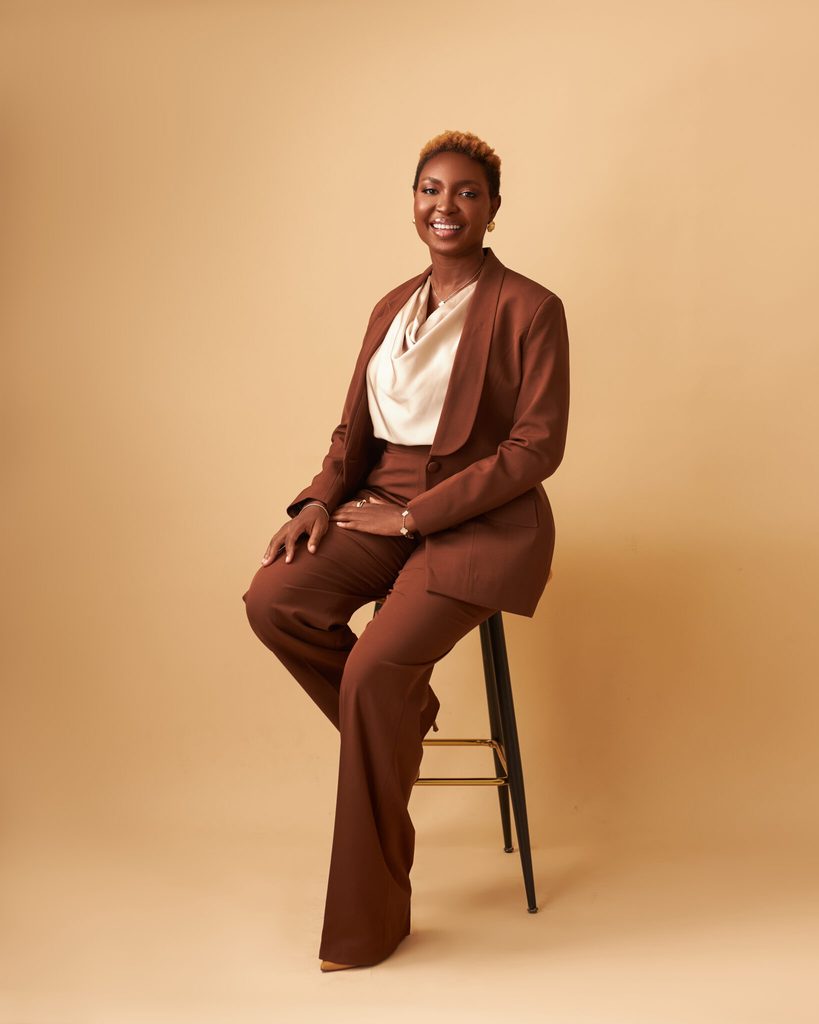
It was in the oil and gas world that she began to notice how differently women were treated from men, and in 2015 she started Diary of a Naija Girl, or DANG, sharing her stories anonymously because she felt the conversations mattered more than her face. She took a short break after a year, returned in 2016 with no followers, and slowly built a community where toxic comments were deleted quickly and no one was treated as superior.
The anonymity did not last. Readers tried to guess who she was from her hands and legs, and then someone emailed her picture and threatened to expose her. She chose to reveal herself instead, and she has said it turned out to be a blessing, in part because she also wanted to show her skin’s progress ahead of the skincare company she was planning. “I just really wanted to share my story, shamelessly,” she has said.
In 2020 she launched DANG Lifestyle, starting with scented candles that sold out within the first two weeks, and she has said that was when she realized how real a force her community had become. When COVID-19 disrupted the candle business, she turned to a skincare line for melanin-rich skin, which she saw as missing from the market, and more than 5,000 members of the community signed up to test it. She hired board-certified formulators, and the first skincare product was produced in February 2021.
The business grew mostly by word of mouth inside the community, with no major campaign, and she has said it has sold more than 400,000 units in three years, employs more than 45 people and sells in the UK, the US, Canada, Ghana and Kenya. It has not been easy, because she has had to convince many Nigerians that locally made products can meet global standards, and she has spoken about the pressure of being correct all the time because people trust her recommendations.
On April 6, 2024, the first DANG Women Fest brought more than 600 women together at The Podium in Lekki, the first time the online community had met in person, and she has called turning a virtual community into a physical one a daunting responsibility. The community now counts nearly a million followers who talk openly about gender-based violence, mental health, body image and reproductive rights, and she says hundreds of women have found help through it. She has also given back, supporting the school fees of girls at Little Saints Orphanage, funding education for inmates at the Ikoyi and Kirikiri correctional centres, and running the DANG 20 Days of Christmas startup grants, which grew from N250,000 in the first year to N1 million.
“Women are beginning to understand that they are worthy anyway, with marriage or without it,” she has said, and she has told other women to know their why and to focus on giving value to their community rather than only making money. For a woman who once closed her curtains on a profitable business because it left her empty, the anonymous diary, the sold-out candles and the packed hall in Lekki all trace back to one decision she kept making, which was to choose her own voice and her own peace over money.
