


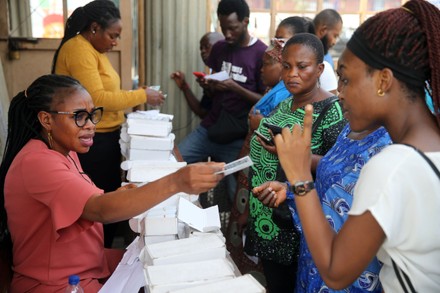
The Independent National Electoral Commission (INEC) began the nationwide collection of Permanent Voter Cards (PVCs) on Friday, October 9, 2026, as it steps up preparations for the 2027 general elections, and the commission’s figures show that women have been among the strongest drivers of the new registrations that produced the cards.
INEC said that the national register of voters had risen above 103 million after the three-phase Continuous Voter Registration (CVR) exercise, which registered 10,772,421 new voters, and that the preliminary register would be displayed from October 9 to 15 so that voters could check their details and raise claims or objections. It was reported that the cards available in this first round belong to people who registered in the first phase, between August and December 2025, while cards for later phases, transfers, updates and damaged or lost cards were not yet ready for collection.
INEC’s published figures show that women made up the majority of registrants in the first and third phases. In the first phase, 1,508,559 women completed their registration, representing 56 per cent of the total at the time, and in the third phase, which closed on July 26, 2026, women accounted for 2,037,589 of the 3,867,997 registrants, or 52.68 per cent. That means women formed the majority of the group whose cards are being released first, while those who registered in the later phases will have to wait for their own batches.
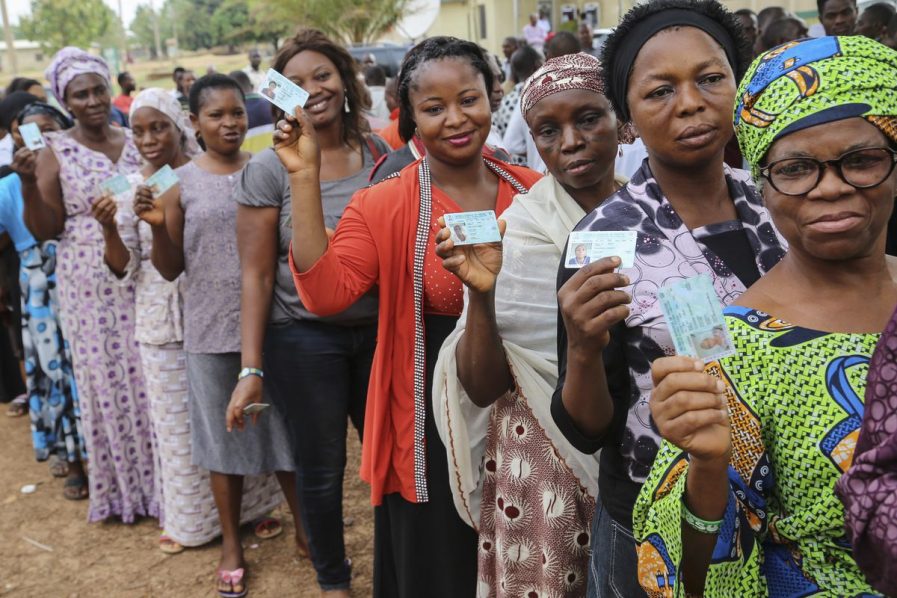
INEC’s Rhoda Gumus said that the figures were consistent with the pattern in the 2023 general election, when women accounted for 44,414,846 of the 93,469,008 registered voters, or 47.52 per cent, but she noted that women’s numerical strength at the polling units had not translated into commensurate representation in elective offices. The commission was reported to have urged political parties to give greater support to female candidates ahead of 2027.
INEC said that it had introduced printable PVC technology under Section 18(1) of the Electoral Act 2026 to reduce the time voters spend waiting for their cards and to make replacing lost or stolen cards easier, and that the technology had been tested during the Osun governorship election. In Benue State, for example, the exercise was reported to run from 9:00 a.m. to 3:00 p.m. daily, including weekends, across 276 registration areas until October 15, and the commission urged registered voters to confirm that their details had been correctly captured and to collect their cards, which remain necessary for voting.
